
How Smart Site Safety Systems Improve Construction Site Safety
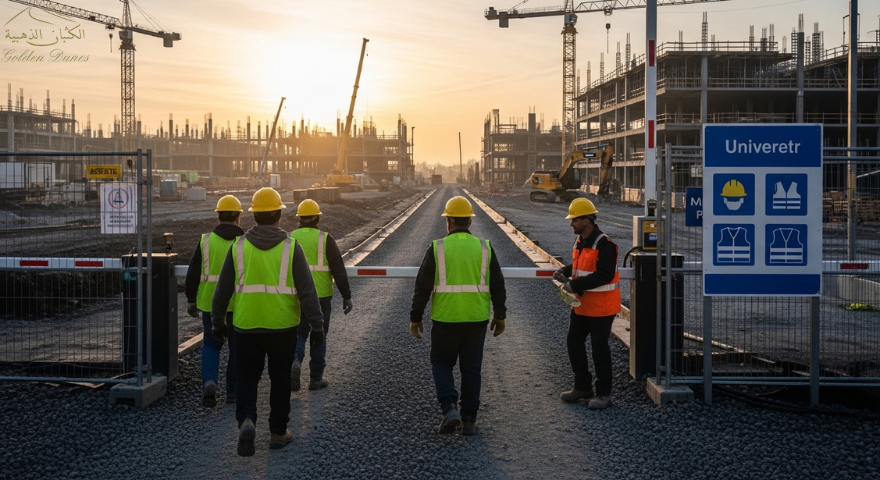
construction safety as a growing concern in the construction industry
In recent years, construction safety has become a central concern in the construction industry, particularly as construction sites grow in scale, complexity, and operational intensity. The increasing interaction between workers, heavy equipment, and smart devices has created new challenges that traditional safety approaches are no longer able to address effectively.
Across construction sites, regulatory bodies and project stakeholders are placing greater emphasis on structured safety management systems that can operate consistently on construction sites and support workers’ safety. This shift reflects a broader recognition that safety and efficiency must be addressed together through coordinated systems rather than isolated safety protocols.
Within this context, the adoption of smart site safety systems has emerged as a practical response to long-standing safety gaps in construction site environments. By supporting centralized management platform structures and enhancing safety performance, these systems aim to uplift site safety while aligning with evolving safety protocols in construction.
As a result, smart site safety systems are increasingly viewed as part of a new era of site safety, where safety officers, project managers and safety teams rely on smart technologies to support safety management system implementation across construction sites.
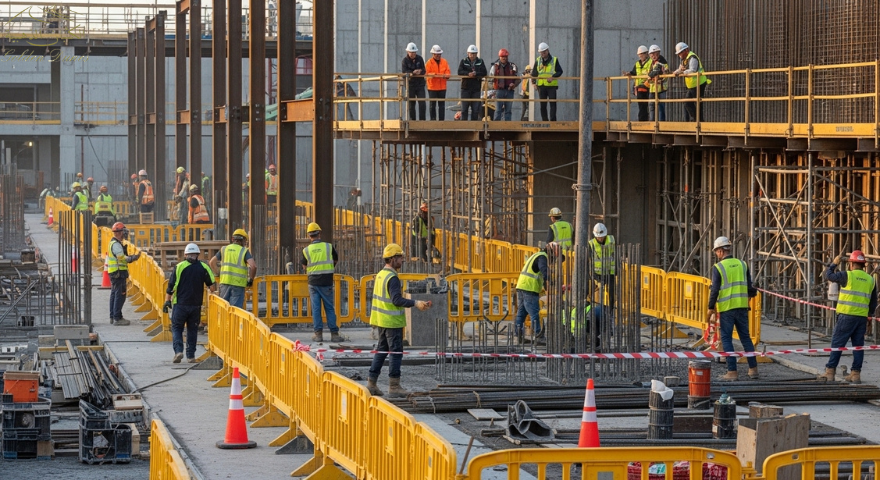
the adoption of smart site safety systems on construction sites
The adoption of smart site safety systems on construction sites reflects a structured response to evolving safety challenges within the construction industry. As construction sites become more dynamic, management teams increasingly recognize that fragmented safety measures are no longer sufficient to ensure consistent safety outcomes.
This shift toward the adoption of smart site safety is driven by the need to enhance safety performance through system-based approaches rather than isolated interventions. Smart site safety systems support construction safety by integrating safety and management functions within a centralized management platform, allowing safety officers to monitor conditions on construction sites more effectively.
In the construction industry, the adoption of smart site safety systems is closely linked to broader changes in how safety management systems are applied. By enabling structured oversight on construction sites, these systems help align safety protocols with daily site operations, reducing gaps that may otherwise compromise workers’ safety.
As part of this transition, project managers and safety teams are increasingly incorporating smart devices and smart safety tools to support targeted safety measures. This approach reinforces site safety culture and supports the adoption of smart site safety systems as a long-term safety solution rather than a temporary response.

the smart site safety system and centralized management platform
The smart site safety system is designed to operate within a centralized management platform that supports safety and management functions on construction sites. This structure allows the system to coordinate safety data, site activities, and operational controls within a single framework.
Through a centralized management platform, construction site management can maintain clearer oversight of site safety and construction safety requirements. This approach enables safety officers to apply safety protocols consistently and supports real-time decision-making in construction environments.
In construction sites where multiple activities occur simultaneously, the system of centralized safety management helps reduce fragmentation. By integrating safety and management processes, the smart site safety system enhances safety performance and supports safety and efficiency across construction sites.
Within the construction industry, centralized safety systems are increasingly viewed as essential tools to uplift site safety and strengthen site safety culture. The system in operation ensures that safety measures are not isolated actions but part of an integrated safety management system.

regulatory frameworks and construction innovation
The the smart site safety system has emerged within regulatory frameworks designed to address construction safety concerns in the construction industry. As construction sites increased in density and operational complexity, safety became a primary concern requiring system-level solutions rather than isolated site measures.
In response to these challenges, innovation-driven funding mechanisms such as the construction innovation and technology fund and the innovation and technology fund were introduced to support the adoption of smart site safety systems across construction sites. These initiatives aim to enhance safety performance by encouraging the use of smart technologies and structured safety management systems.
Within this framework, regulatory authorities and the construction industry have played a key role in shaping the adoption of smart site safety systems on construction sites. Regulatory guidance has emphasized the importance of centralized management platform models that support safety officers and project managers and safety teams in maintaining consistent safety protocols, as reflected in global research on smart construction site safety.
Industry institutions have also contributed to promoting a new era of site safety by supporting safety training initiatives aligned with smart safety objectives. These efforts reinforce workers’ safety and help establish a site safety culture built on targeted safety measures and system-based oversight.
Together, these regulatory and institutional efforts demonstrate how the adoption of smart site safety systems will pave the way for a smart site for the future, where safety and efficiency are managed through integrated systems rather than fragmented controls.

enhance safety performance on construction sites
To enhance safety performance on construction sites, safety management systems must move beyond reactive controls toward structured and preventive approaches. As construction sites involve multiple operational risks, the application of targeted safety measures becomes essential to protect workers’ safety and maintain consistent safety outcomes.
Smart site safety systems support safety and efficiency by enabling safety officers to apply safety protocols through a centralized management platform. This approach allows safety-related decisions to be based on structured information rather than delayed reporting, improving construction site safety across different project phases.
In construction environments where safety and management responsibilities overlap, the smart site safety system helps align safety protocols with daily site operations. This integration strengthens site safety culture and reduces gaps that may otherwise affect workers’ safety on construction sites.
By supporting targeted safety measures and reinforcing safety management system implementation, smart site safety systems help uplift site safety while addressing a long-standing concern in the construction industry. The system in operation ensures that safety and efficiency are treated as interconnected objectives rather than separate functions.
future construction safety, smart site safety systems

smart site safety system to uplift site safety and efficiency
The smart site safety system to uplift site safety and efficiency relies on the structured use of smart technologies to address safety challenges on construction sites. By integrating smart devices within a centralized management platform, safety management becomes more consistent and responsive to on-site conditions.
Smart safety solutions enable safety officers and project managers and safety teams to monitor site activities and apply targeted safety measures. This approach supports construction site safety by ensuring that safety protocols are implemented systematically rather than through isolated actions.
In the construction industry, the use of smart devices and smart safety tools has become an essential component of modern safety management systems. These technologies help enhance safety performance by providing structured oversight on the site and reinforcing safety and efficiency objectives.
By applying of smart technologies within safety management system frameworks, the smart site safety system supports a new era of site safety. This model strengthens site safety culture and contributes to safer working environments across construction sites.
construction site safety management and workers’ safety
Construction site safety management plays a critical role in protecting workers’ safety across construction sites. As site activities become more complex, safety officers are required to apply structured safety management system practices that ensure safety protocols are consistently followed.
Within this framework, safety training becomes an essential component of effective site safety and management. By equipping workers with the knowledge required to operate within smart construction site environments, safety officers can reinforce compliance and strengthen site safety culture.
The smart site safety system supports safety management system implementation by enabling safety officers to monitor site conditions and apply targeted safety measures. This approach allows construction sites to address safety and management concerns proactively rather than reacting after incidents occur.
In construction environments where multiple teams operate simultaneously, the integration of workers’ safety within centralized safety management system structures helps ensure that safety and efficiency objectives are aligned. This model reinforces site safety and supports long-term improvements in construction site safety management.

new era of site safety and the future of smart construction site
The transition toward a new era of site safety reflects a fundamental shift in how construction sites are managed within the construction industry. As safety and management requirements continue to evolve, traditional approaches are increasingly replaced by system-based models that prioritize structured oversight.
Within this context, the smart construction site has emerged as a practical response to growing safety and operational demands. The adoption of smart site safety systems supports a site for the future where safety and efficiency are addressed through coordinated processes rather than fragmented safety controls.
By integrating centralized management platform structures and targeted safety measures, smart site safety systems will pave the way for a safer and more controlled construction environment. This approach enables construction sites to align safety protocols with long-term operational objectives.
As the construction industry continues to adopt smart safety frameworks, the adoption of smart site safety systems is expected to pave the way for a smart site for the future. This evolution reinforces site safety culture and supports sustainable improvements in construction site safety and management.
the adoption of smart site safety systems in the construction industry
The adoption of smart site safety systems in the construction industry represents a structured evolution in how construction safety is managed on construction sites. As safety and management challenges continue to grow, system-based approaches provide a more reliable framework for addressing risks associated with modern construction environments.
By integrating smart site safety systems within safety management system structures, construction sites are better positioned to enhance safety performance and support workers’ safety through consistent safety protocols. This approach reflects a shift from reactive safety measures toward proactive safety governance.
In the construction industry, the adoption of smart site safety systems supports long-term safety objectives by aligning safety and management responsibilities within a centralized management platform. This alignment strengthens site safety culture and ensures that safety considerations remain embedded within daily site operations.
Ultimately, the adoption of smart site safety systems contributes to a more controlled and sustainable construction environment. By supporting safety and efficiency on construction sites, these systems establish a clear framework for improving construction safety and advancing site safety and management practices across the construction industry.
Frequently Asked Questions on Smart Site Safety Systems
Conclusion on Smart Site Safety Systems in Construction
The evolution of construction safety within the construction industry highlights the growing need for structured, system-based approaches on construction sites. As project environments become more complex and operational pressures increase, relying on fragmented safety measures is no longer sufficient to protect workers’ safety or maintain consistent safety outcomes.
Smart site safety systems provide a practical framework to enhance safety performance by integrating safety management system principles within a centralized management platform. This alignment allows construction teams to move from reactive safety responses toward proactive safety control embedded within daily site operations.
Across construction sites, the adoption of smart site safety systems reflects a broader shift toward treating safety and efficiency as interconnected objectives. By supporting targeted safety measures, structured oversight, and informed decision-making, these systems contribute to a new era of site safety within the construction industry.
📩 Next Steps for Project and Safety Management Teams
For project managers, safety officers, and construction decision-makers seeking to strengthen site safety performance, adopting smart site safety systems within a structured safety management framework offers a clear operational advantage.