
Complete Pre-Excavation Checklist Before Infrastructure Digging

Across Saudi Arabia’s expanding infrastructure sector, excavation activities have become far more complex than traditional digging operations. Modern projects now involve dense underground utility networks, strict operational timelines, heavy excavation machinery, and increasingly demanding excavation safety requirements. As a result, relying on a structured pre-excavation checklist is no longer optional for contractors and project supervisors working in large-scale construction environments.
Whether the project involves utility installation, pipeline corridors, industrial expansion, road development, or trench excavation near existing services, proper pre-work coordination directly affects project readiness, operational efficiency, and long-term site safety. A poorly prepared excavation area can quickly create delays, utility conflicts, equipment damage, or costly mistakes that disrupt the entire construction site timeline.
In high-density infrastructure environments, excavation work must be supported by accurate inspection procedures, underground utility verification, soil classification analysis, traffic control planning, and clearly defined excavation safety responsibilities. These steps help contractors maintain compliance with industry standards while reducing operational risk across the jobsite.
Today, many contractors operating in Saudi Arabia are also integrating advanced technologies such as non-destructive suction excavation systems to improve underground utility protection and minimize excavation-related disruption. This shift reflects a broader industry move toward safer and more intelligent excavation planning strategies.
According to guidance from OSHA excavation safety standards, excavation and trenching incidents often result from insufficient pre-work inspection, poor hazard identification, or missing protective systems. This highlights why every excavation project should begin with a comprehensive operational readiness process rather than reactive problem-solving after excavation starts.
Why a Pre-Excavation Checklist Matters for Modern Projects

A professional pre-excavation checklist acts as a centralized planning and coordination framework before any excavation work begins. Instead of treating excavation as a standalone field activity, modern infrastructure contractors now approach excavation projects as highly coordinated operations involving engineering supervision, utility verification, equipment inspection, and construction site readiness.
One of the primary benefits of a structured checklist is improving communication between contractors, supervisors, utility teams, safety coordinators, and excavator operators. Large excavation areas often include underground electrical lines, communication systems, pipelines, drainage infrastructure, and overhead utility exposure zones that require precise marking and operational coordination before any dig activity begins.
Without proper preparation, excavation projects can experience:
- Unexpected utility conflicts
- Operational delays
- Unsafe trench conditions
- Equipment access limitations
- Traffic disruption around the jobsite
- Increased excavation safety risk
For infrastructure contractors working under aggressive project timelines, these issues can rapidly escalate into major operational setbacks. This is why excavation readiness planning is now considered a critical part of modern construction site management.
Many project teams also use advanced planning systems alongside excavation planning strategies to improve inspection workflows and coordinate excavation activities with utility locates, grading operations, and drainage preparation before excavation machinery enters the site.
How Excavation Checklists Reduce Operational Risks
A properly structured excavation checklist helps identify operational hazards before excavation work begins. Instead of responding to field problems after excavation starts, contractors can proactively review excavation conditions, protective systems, and equipment readiness during the planning phase.
This approach becomes especially important in urban infrastructure projects where underground utility congestion creates additional excavation risk. Even minor utility strikes may result in service interruption, environmental hazards, or major project delays affecting the entire construction timeline.
Operational inspection procedures often include:
- Underground utility marking verification
- Excavation area inspection
- Vehicle access planning
- Traffic control preparation
- Soil type assessment
- Slope stability review
- PPE readiness checks
- Safe access and egress planning
These steps improve excavation safety while also helping contractors maintain compliance with project specifications and industry standards.
The Role of Excavation Safety in Infrastructure Planning
Excavation safety is no longer viewed only as a field-level requirement. In major infrastructure projects across Saudi Arabia, excavation safety now plays a direct role in operational planning, contractor coordination, and utility protection management.
As infrastructure systems become increasingly interconnected, excavation supervisors must evaluate how excavation activities affect surrounding construction operations, underground utility corridors, nearby vehicle movement, and site access routes. Even small excavation zones can create operational disruption if planning procedures are incomplete.
Modern excavation safety planning also involves integrating digital inspection workflows, underground scanning technologies, and advanced protective systems that improve visibility before trench excavation begins. This operational mindset supports safer excavation work while helping contractors maintain stronger project readiness across complex construction environments.
Pre-Excavation Inspection Checklist Before Site Work Begins
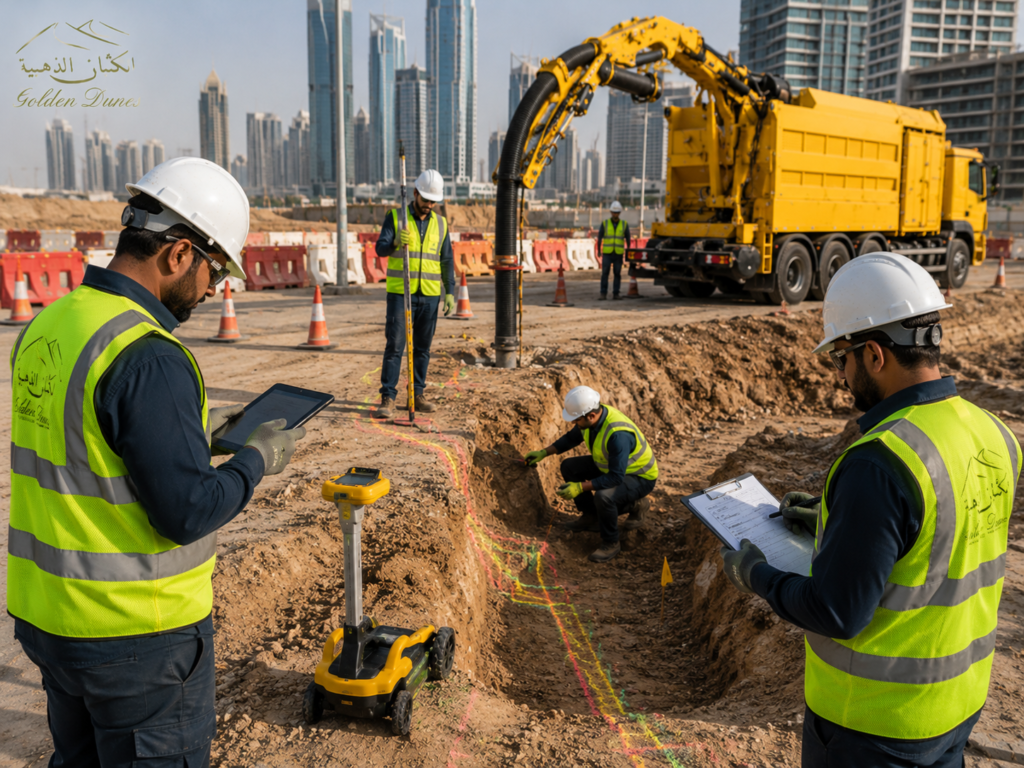
Before any excavation work starts, contractors should complete a structured inspection process that verifies site readiness, utility coordination, and operational safety conditions. A comprehensive pre-excavation checklist helps ensure that all excavation activities begin under controlled and compliant conditions, especially within high-density infrastructure environments where underground systems and construction operations overlap.
In many infrastructure projects, excavation delays are often linked to incomplete inspection procedures rather than equipment failure itself. Missing utility locates, unstable soil conditions, poor traffic control planning, or unclear excavation area boundaries can significantly affect both safety and operational efficiency across the construction site.
For this reason, excavation supervisors typically conduct a full inspection checklist before excavation machinery enters the jobsite. This process helps contractors identify hazards early while improving coordination between field teams, utility operators, and project management personnel.
A complete pre-work inspection generally includes:
- Verification of underground utility locates
- Review of excavation area boundaries
- Soil type and slope inspection
- Traffic control preparation
- PPE compliance checks
- Vehicle and excavator access planning
- Protective systems verification
- Hazardous atmospheres assessment where applicable
As excavation projects become more complex, many contractors are also integrating smart site safety systems to improve real-time monitoring and inspection coordination during excavation and trenching operations.
Hazard Identification Before Excavation Activities
Hazard identification is one of the most important stages within any excavation safety checklist. Before excavation begins, contractors must evaluate both visible and hidden hazards that may affect excavation work, nearby utilities, workers, or surrounding infrastructure.
In modern construction environments, excavation hazards may include:
- Underground utility conflicts
- Unstable trench conditions
- Overhead utility exposure
- Restricted vehicle movement
- Unsafe slope conditions
- Hazardous atmospheres in confined excavation areas
- Drainage accumulation and water intrusion
- Inadequate barrier protection around excavation zones
Excavation supervisors should also review nearby construction activities that may affect excavation safety or create additional operational risk around the jobsite. This includes evaluating heavy vehicle movement, adjacent excavation machinery operation, and temporary site access routes.
According to recommendations from the American Society of Civil Engineers (ASCE), proactive hazard identification significantly improves infrastructure project safety while reducing excavation-related incidents and operational delays.
Soil and Surface Condition Inspection Requirements
Proper soil inspection plays a major role in excavation planning and trench stability management. Different soil types react differently during excavation activities, especially under heavy excavation machinery loads or changing environmental conditions.
Before excavation work begins, contractors should evaluate:
- Soil classification
- Surface stability
- Drainage conditions
- Moisture content
- Slope integrity
- Excavation depth requirements
- Potential spoil accumulation zones
Failing to inspect soil conditions correctly may create trench instability, surface collapse, or excavation area deformation that affects both excavation safety and project readiness. This becomes particularly important during large-scale infrastructure excavation projects where underground utility systems are positioned close to excavation zones.
Site supervisors should also verify whether additional protective systems or shore support structures are required based on soil classification and excavation depth. In some projects, grading adjustments may also be necessary to maintain safe access and egress conditions around the excavation site.
Underground and Overhead Utility Verification
One of the most critical steps in any pre-excavation checklist is confirming the exact location of underground and overhead utility systems before digging operations begin. Modern infrastructure environments often contain complex utility networks that include pipelines, fiber optics, electrical systems, communication lines, and drainage infrastructure positioned within limited excavation corridors.
Even small excavation errors near underground utilities can create operational disruption, service outages, environmental hazards, or significant project delays. For this reason, contractors typically combine utility locates, excavation inspection procedures, and non-destructive excavation methods before performing heavy dig activities.
Many infrastructure contractors now rely on advanced non-destructive inspection technologies to improve underground utility verification and reduce excavation risk near sensitive infrastructure systems.
Verification procedures usually include:
- Underground utility marking confirmation
- Inspection of overhead utility clearance
- Excavation area barrier setup
- Coordination with utility operators
- Leak detection review where applicable
- Safe excavation machinery positioning
These operational controls help contractors maintain excavation compliance while protecting both workers and critical infrastructure assets.
Inspection Checklist for Site Access and Egress
Safe access and egress planning is often overlooked during excavation prep, despite being essential for maintaining excavation safety across active construction sites. Workers, supervisors, excavator operators, and emergency response teams must be able to move safely around excavation areas without unnecessary obstruction or exposure to operational hazards.
Before excavation work starts, contractors should inspect:
- Temporary access routes
- Vehicle movement pathways
- Excavation entry and exit points
- Traffic control barriers
- Emergency evacuation access
- Lighting conditions around excavation zones
- Pedestrian separation from excavation machinery
On large infrastructure projects, poor access planning can quickly affect the project timeline by slowing excavation activities, reducing operational efficiency, and increasing coordination complexity between contractors and field teams.
Establishing organized access systems before excavation begins helps improve jobsite readiness while supporting smoother excavation operations throughout the construction phase.
Excavation Safety Checklist for Utility and Trench Work
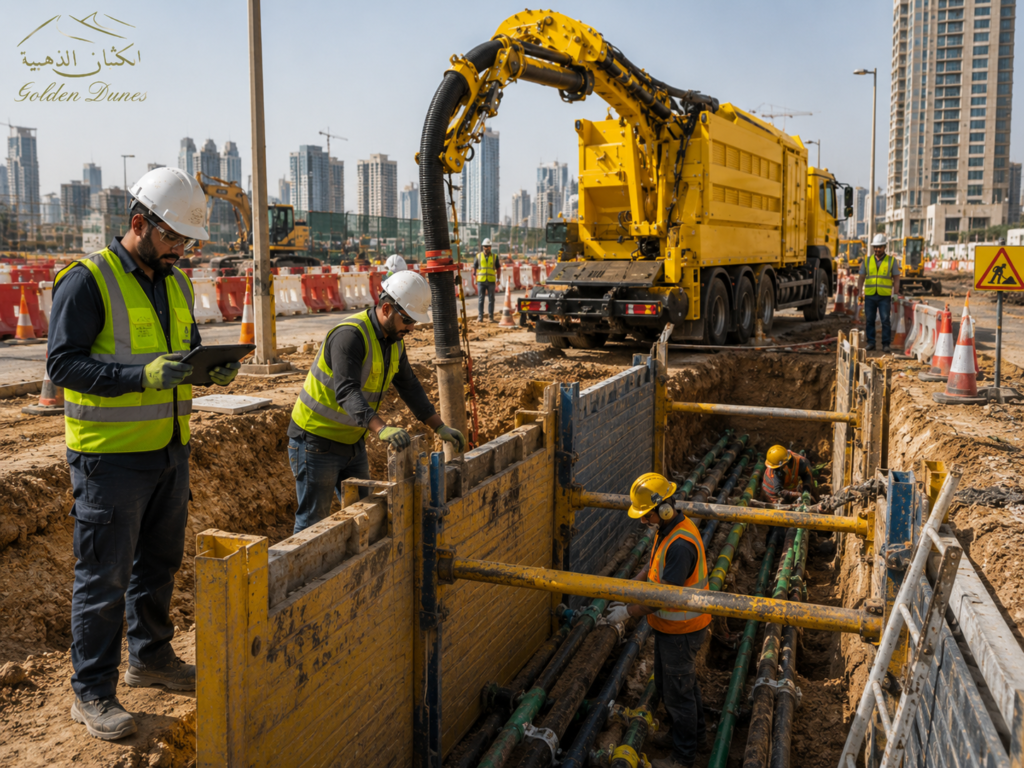
Excavation safety requirements become significantly more demanding when projects involve underground utility corridors, trench excavation, or congested infrastructure environments. In these situations, contractors must coordinate excavation activities carefully to protect workers, maintain operational continuity, and prevent disruption to nearby utility systems.
A structured excavation safety checklist helps project teams maintain control over excavation conditions before and during excavation work. Rather than treating excavation safety as a standalone compliance procedure, modern infrastructure contractors now integrate safety planning directly into excavation workflows, inspection systems, and operational readiness processes.
Before any trench excavation begins, contractors should verify:
- Excavation area stability
- Protective systems installation
- Utility locates confirmation
- Excavation machinery readiness
- PPE availability and compliance
- Emergency communication procedures
- Traffic control setup
- Safe access and egress routes
These procedures reduce operational risk while supporting safer excavation work across active construction sites and infrastructure projects.
Trench Inspection Procedures Before Digging
Trench inspection is one of the most critical elements within any pre-excavation checklist. Even relatively small trench operations can become unstable if excavation conditions are not properly monitored before excavation begins.
Before digging activities start, a competent person should inspect the trench area for:
- Soil movement indicators
- Slope instability
- Water accumulation
- Protective systems readiness
- Nearby underground utility conflicts
- Heavy vehicle vibration impact
- Unsafe spoil placement
- Potential hazardous atmospheres
In deep excavation and trenching environments, oxygen levels and confined space conditions may also require additional inspection procedures before workers enter the excavation area. These inspections help contractors maintain excavation compliance while reducing the possibility of accident exposure during excavation operations.
Modern trench inspection workflows often combine visual inspection procedures with advanced utility verification systems and non-destructive excavation methods to improve underground safety near sensitive infrastructure corridors.
Utility Location Planning for Underground Infrastructure
Utility location planning is now considered a core operational requirement within large excavation projects across Saudi Arabia. With increasing underground congestion in urban infrastructure zones, contractors can no longer rely solely on outdated utility drawings or surface assumptions before excavation work begins.
Utility verification procedures typically include:
- Underground utility locates
- Surface marking validation
- Excavation area inspection
- Contractor coordination meetings
- Excavator movement planning
- Underground pipeline protection procedures
- Leak prevention assessments
Many infrastructure contractors also use advanced pipeline inspection technologies to improve underground infrastructure visibility before excavation activities begin. These technologies help project teams identify hidden infrastructure conditions that may affect excavation readiness or long-term operational safety.
Proper utility planning also improves excavation project timelines by reducing unexpected utility conflicts and minimizing excavation-related delays during active construction phases.
PPE Requirements for Excavation Safety Compliance
Personal protective equipment remains a fundamental component of excavation safety across all excavation projects, regardless of project size or excavation depth. However, effective PPE management involves more than simply distributing safety equipment at the jobsite.
Contractors should ensure that excavation crews receive PPE appropriate to the specific excavation environment, soil conditions, excavation machinery exposure, and underground utility risk level associated with the project.
Typical PPE requirements for excavation work may include:
- Protective helmets
- High-visibility clothing
- Safety boots
- Respiratory protection where required
- Eye and hearing protection
- Fall protection systems near deep trench areas
- Gloves suitable for excavation activities
Excavation supervisors should also verify that all PPE remains compliant with project safety standards and operational site conditions throughout excavation work. Damaged or unsuitable protective equipment may significantly increase excavation risk within active construction environments.
Traffic Control Measures Around Excavation Zones
Traffic control planning is essential for maintaining excavation safety in active infrastructure and utility projects. Excavation zones often operate near public roads, construction vehicle routes, utility access corridors, or heavy equipment movement areas where operational coordination becomes critical.
Before excavation activities begin, contractors should establish clear traffic control procedures that protect workers, equipment operators, and nearby infrastructure systems.
Traffic control measures commonly include:
- Barrier installation around excavation zones
- Vehicle movement coordination
- Temporary access route designation
- Excavation warning signage
- Pedestrian separation systems
- Equipment movement scheduling
- Excavator visibility controls
Without organized traffic management, excavation areas may quickly become congested, increasing operational risk and affecting excavation efficiency across the construction site.
In complex infrastructure projects, traffic coordination is often integrated into broader excavation readiness planning to ensure excavation machinery, contractors, supervisors, and utility teams can operate safely without unnecessary operational conflict.
Site Preparation and Land Clearing Before Excavation

Proper site preparation plays a major role in improving excavation readiness and reducing operational disruption before excavation work begins. In modern infrastructure projects, excavation activities often take place in congested construction environments where underground utility systems, heavy vehicle movement, and multiple contractor operations must be coordinated carefully.
Without organized pre-work preparation, excavation projects may experience unnecessary delays, unsafe excavation conditions, and reduced operational efficiency across the jobsite. This is why contractors typically integrate land clearing, utility verification, grading preparation, and excavation area organization into the early planning stages of excavation projects.
A structured pre-excavation checklist helps ensure that construction teams evaluate:
- Surface clearing requirements
- Excavation area boundaries
- Underground utility exposure zones
- Drainage conditions
- Vehicle access pathways
- Traffic control requirements
- Excavation machinery movement space
- Site safety barriers and marking systems
These preparation procedures improve excavation workflow coordination while helping contractors maintain excavation safety compliance throughout the construction timeline.
Safe Land Clearing Practices Before Excavation Starts
Land clearing activities should always be completed using controlled operational procedures before excavation work begins. Poor clearing practices can create hidden hazards, unstable excavation conditions, or limited visibility around underground utility zones.
Before excavation machinery enters the excavation site, contractors should remove:
- Surface debris
- Vegetation obstructing excavation access
- Loose construction materials
- Temporary barriers affecting vehicle movement
- Obstacles near utility marking areas
During clearing operations, supervisors should also confirm that utility locates remain visible and protected. In many excavation projects, accidental damage occurs because excavation crews begin dig activities after utility markings become obscured during site preparation.
Safe clearing procedures also help improve visibility around excavation areas, allowing contractors to inspect overhead utility exposure, slope conditions, and drainage pathways more effectively before excavation work starts.
How Proper Clearing Improves Excavation Safety
Efficient clearing operations contribute directly to excavation safety by creating safer working conditions for contractors, excavator operators, and inspection teams. Organized excavation areas improve equipment movement coordination while reducing unnecessary operational hazards inside active construction zones.
For example, properly cleared excavation sites allow project teams to:
- Establish safer traffic control systems
- Improve vehicle maneuverability
- Maintain safer access and egress routes
- Reduce excavation machinery obstruction
- Improve trench visibility during inspection
- Enhance emergency response readiness
In major excavation projects, organized excavation areas also improve communication between field supervisors and contractor teams by reducing congestion and improving operational visibility across the construction site.
Many infrastructure companies now combine site preparation procedures with modern construction site safety systems to improve excavation coordination and reduce operational risk throughout excavation and trenching activities.
Preventing Surface Hazards During Site Preparation
Surface hazard prevention is an important part of excavation readiness planning, particularly in large infrastructure projects where excavation operations interact with active construction environments and underground utility systems.
Before excavation begins, contractors should inspect the excavation area for conditions that may affect operational safety, including:
- Unstable soil conditions
- Surface water accumulation
- Improper spoil placement
- Restricted vehicle access
- Damaged barriers
- Slope instability
- Hazardous atmospheres in confined areas
Excavation supervisors should also confirm that excavation machinery can operate safely without affecting nearby utility systems or creating unnecessary excavation risk around workers and contractors.
In projects involving deep excavation or trench operations, proper drainage preparation becomes especially important. Water accumulation near excavation zones may weaken soil stability, increase slope failure risk, and affect excavation machinery performance during active operations.
By addressing these surface hazards during pre-work preparation, contractors improve overall excavation compliance while reducing costly mistakes that may impact the broader infrastructure project timeline.
Excavation Compliance and Competent Person Responsibilities

Excavation compliance is a critical operational requirement across infrastructure and utility projects, particularly within high-risk excavation environments involving trench work, underground systems, and heavy excavation machinery. Modern excavation projects require more than basic inspection procedures; they demand continuous supervision, operational coordination, and structured excavation safety management throughout the entire excavation process.
To maintain compliant excavation operations, contractors must establish clear responsibilities for excavation inspection, hazard identification, protective systems verification, and site safety coordination before excavation work begins.
One of the most important requirements within excavation and trenching operations is ensuring that a qualified competent person oversees excavation safety procedures and operational readiness across the construction site.
Why a Competent Person Is Critical for Excavation Planning
A competent person plays a central role in maintaining excavation safety compliance and operational control throughout excavation projects. This individual is responsible for identifying excavation hazards, evaluating soil conditions, reviewing protective systems, and verifying that excavation work remains compliant with safety requirements and industry standards.
Before excavation activities begin, the competent person should inspect:
- Trench stability conditions
- Protective systems installation
- Utility marking accuracy
- Excavation area readiness
- Traffic control setup
- Safe access and egress routes
- PPE compliance
- Hazardous atmospheres exposure risk
In complex excavation projects, the competent person may also coordinate directly with supervisors, utility operators, contractors, and inspection teams to ensure excavation work proceeds safely and efficiently.
This level of oversight becomes especially important in infrastructure projects involving underground utility corridors, deep excavation operations, or multiple contractor activities occurring simultaneously across the excavation site.
Safety Compliance Procedures for Excavation Operations
Excavation compliance procedures help contractors maintain organized and controlled excavation operations while reducing operational risk throughout the construction timeline. These procedures typically combine excavation safety standards, inspection protocols, and project-specific operational controls.
Compliance reviews often include:
- Daily excavation inspection procedures
- Protective systems verification
- Trench condition assessments
- Utility locate validation
- Excavation machinery inspection
- Contractor coordination reviews
- Site safety audits
- Traffic control inspections
Maintaining excavation compliance not only improves worker safety but also helps infrastructure contractors reduce operational delays, avoid costly mistakes, and maintain smoother excavation workflow coordination across large-scale projects.
Daily Inspection Requirements Before Excavation Work
Daily inspection procedures are essential for maintaining excavation readiness and monitoring changing site conditions throughout excavation operations. Even after initial excavation prep is completed, excavation areas may still experience environmental or operational changes that affect excavation safety.
Daily inspections should evaluate:
- Soil movement
- Water intrusion
- Protective systems stability
- Traffic control effectiveness
- Barrier integrity
- Excavation machinery positioning
- Underground utility exposure conditions
- Safe worker access routes
Excavation supervisors should also monitor weather conditions, vehicle movement patterns, and nearby construction activities that may affect trench stability or excavation area safety during ongoing operations.
Consistent daily inspection procedures help contractors maintain stronger excavation control while supporting safer and more efficient excavation projects across demanding infrastructure environments.
Smart Excavation Planning for Safer Infrastructure Projects

As infrastructure projects across Saudi Arabia continue expanding in scale and technical complexity, excavation planning is becoming increasingly dependent on smart operational systems, real-time inspection workflows, and advanced underground verification technologies. Traditional excavation approaches alone are no longer sufficient for projects involving dense underground utility networks, fast-track construction timelines, and strict excavation safety requirements.
Modern contractors now approach excavation readiness through integrated planning systems that combine excavation inspection procedures, utility coordination, excavation machinery management, and predictive safety monitoring before excavation work begins.
A well-structured pre-excavation checklist helps project teams improve:
- Operational readiness
- Utility protection
- Construction site coordination
- Traffic control efficiency
- Excavation safety compliance
- Project timeline management
- Contractor communication
- Inspection workflow consistency
This operational model supports safer excavation projects while reducing delays and improving infrastructure project reliability throughout active construction phases.
Integrating Inspection Checklists Into Excavation Workflows
In modern excavation projects, inspection checklists are no longer viewed as isolated safety documents. Instead, they are integrated directly into excavation workflows to support continuous operational coordination across the jobsite.
Before excavation activities begin, project teams often combine inspection procedures with:
- Utility locate verification
- Excavation machinery readiness reviews
- Traffic control planning
- Soil classification analysis
- Protective systems inspection
- Drainage preparation
- Contractor scheduling coordination
By integrating these systems early, contractors can identify operational conflicts before they affect excavation work or create unnecessary excavation risk within active infrastructure environments.
Many infrastructure companies are also adopting digital excavation planning systems that improve communication between supervisors, field inspectors, utility operators, and contractor teams throughout excavation operations.
Improving Excavation Coordination Through Pre-Dig Planning
Pre-dig planning plays a major role in reducing operational disruption across excavation projects involving underground infrastructure systems. Without coordinated excavation prep procedures, construction sites may experience utility conflicts, excavation delays, restricted equipment access, or unsafe trench conditions that negatively affect the entire project timeline.
Effective pre-dig coordination typically includes:
- Underground utility verification
- Excavation area preparation
- Excavator movement planning
- Safe access and egress organization
- Traffic control coordination
- Inspection scheduling
- Excavation safety communication procedures
In Saudi infrastructure projects, this level of coordination is becoming increasingly important as contractors work within congested urban utility environments and high-value infrastructure developments connected to long-term national growth initiatives.
According to the official Saudi Vision 2030 framework, infrastructure modernization and smart construction technologies continue playing a major role in supporting sustainable development and operational efficiency across the Kingdom’s expanding industrial sectors.
Post-Excavation Procedures for Site Stability and Compliance
Excavation planning does not end once digging activities are completed. Post-excavation procedures remain essential for maintaining site stability, excavation compliance, and long-term infrastructure protection after excavation work finishes.
Following excavation activities, contractors should evaluate:
- Excavation area stability
- Drainage performance
- Protective barrier removal procedures
- Underground utility integrity
- Surface grading conditions
- Spoil management
- Site restoration requirements
- Traffic reopening readiness
These post-work procedures help reduce future infrastructure risk while supporting smoother project closeout operations across the construction site.
In projects involving sensitive underground systems, contractors may also conduct additional inspection procedures after excavation completion to verify that nearby utility systems remain fully operational and compliant with project standards.
How Pre-Excavation Planning Supports Saudi Infrastructure Growth

Saudi Arabia’s infrastructure sector is currently undergoing one of the largest construction transformations in the region. Large-scale developments involving transportation systems, utilities, industrial facilities, energy infrastructure, and smart city expansion require excavation operations that meet far higher standards of coordination, safety, and operational efficiency than traditional construction environments.
As excavation projects become increasingly connected to national infrastructure initiatives, contractors are expected to implement more advanced excavation planning procedures that support:
- Underground utility protection
- Construction site safety
- Sustainable infrastructure development
- Reduced operational delays
- Improved excavation readiness
- Smart inspection workflows
- Efficient contractor coordination
Modern excavation systems such as vacuum excavation, smart safety monitoring, utility inspection technologies, and digital excavation planning are helping infrastructure contractors improve excavation safety while reducing disruption across critical infrastructure projects.
Companies operating within this environment increasingly rely on operationally focused excavation preparation systems rather than reactive problem-solving approaches after excavation begins. This shift supports stronger project reliability while improving compliance with evolving infrastructure and industry standards throughout Saudi Arabia.