
Excavation Mistakes That Lead to Costly Repairs and Hidden Costs
Common Excavation Mistakes and Their Impact on Projects
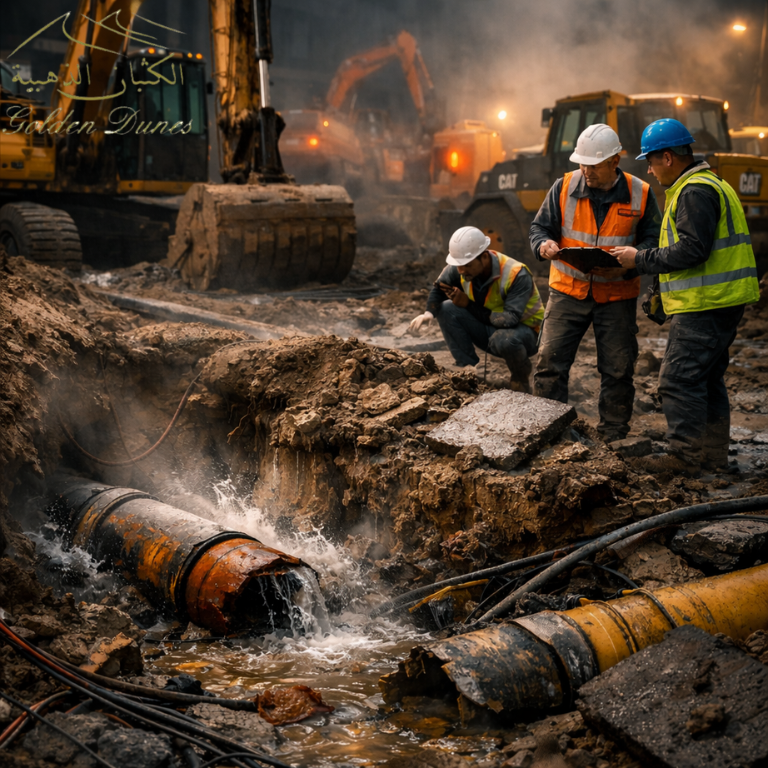
In today’s construction industry, excavation is one of the most critical phases in any excavation project. However, many excavation mistakes continue to occur due to poor excavation practices, leading to serious risks that affect project managers, contractors, and overall site safety. These mistakes made during excavation work are not always visible immediately, but they often lead to costly repairs, project delays, and long-term damage to underground infrastructure.
One common mistake is relying on guesswork instead of proper planning and accurate data. When excavation begins without a clear understanding of underground utilities or soil conditions, the chances of damaging underground systems such as water mains or electrical lines increase significantly. This can lead to unexpected disruption, outage, and even safety hazards that affect both workers and the public.
Excavation mistakes can also lead to severe financial consequences. From increased labor costs to budget overruns caused by rework and downtime, the impact is far greater than most contractors anticipate. In many cases, what seems like a small error during excavation work can escalate into a major issue that requires extensive repair and delays project completion.
To better understand how these risks develop, it is essential to explore how poor excavation practices, inadequate planning, and failure to follow safety protocols contribute to these costly mistakes. Adopting efficient excavation techniques and using specialized equipment can help you avoid these challenges and ensure your project stays on schedule.
Inadequate Planning and Its Impact on Excavation Success

Inadequate planning is one of the most common causes of excavation mistakes in modern construction projects. When an excavation project begins without proper planning, it increases the likelihood of costly mistakes that can derail progress and create unnecessary risks. Many contractors underestimate the importance of preparation, which often leads to unexpected delays, budget overruns, and operational disruption.
Common mistake: inadequate planning in excavation projects
A common mistake seen across excavation sites is starting excavation work without reviewing utility maps or verifying underground utilities. In many cases, these maps are outdated or incomplete, which results in miscommunication between project teams. This lack of coordination can lead to striking a gas line, damaging underground infrastructure, or causing an outage that impacts surrounding areas.
Inadequate planning also affects the ability to assess environmental factors and working environments. Without a clear understanding of soil conditions, drainage systems, and potential hazards, excavation can lead to unstable ground, soil erosion, and safety hazards that put workers and the public at risk.
The importance of proper planning and preparation
Proper planning plays a critical role in reducing risks and ensuring efficient excavation. Conducting soil analysis and soil testing before excavation begins allows project managers to understand the soil behavior and choose the right excavation techniques. This helps avoid costly errors and minimizes the need for rework during later stages of the project.
In addition, implementing utility marking and verifying utility lines before excavation work starts significantly reduces the risk of damaging underground systems. These steps are essential to protect workers, prevent accidents, and maintain site safety throughout the project lifecycle.
Why investing in proper excavation planning matters
Investing in proper planning is not an added cost—it is a strategic decision that helps avoid costly repairs and ensures that construction projects remain on schedule. Using specialized equipment and following safety protocols can help contractors reduce risks, prevent equipment malfunctions, and maintain operational efficiency.
Ultimately, avoiding excavation mistakes begins with a strong foundation of planning and preparation. When contractors prioritize proper planning, they create a safer, more efficient environment that supports long-term project success and minimizes the impact of unexpected challenges.
Risks of Damaging Underground Utilities
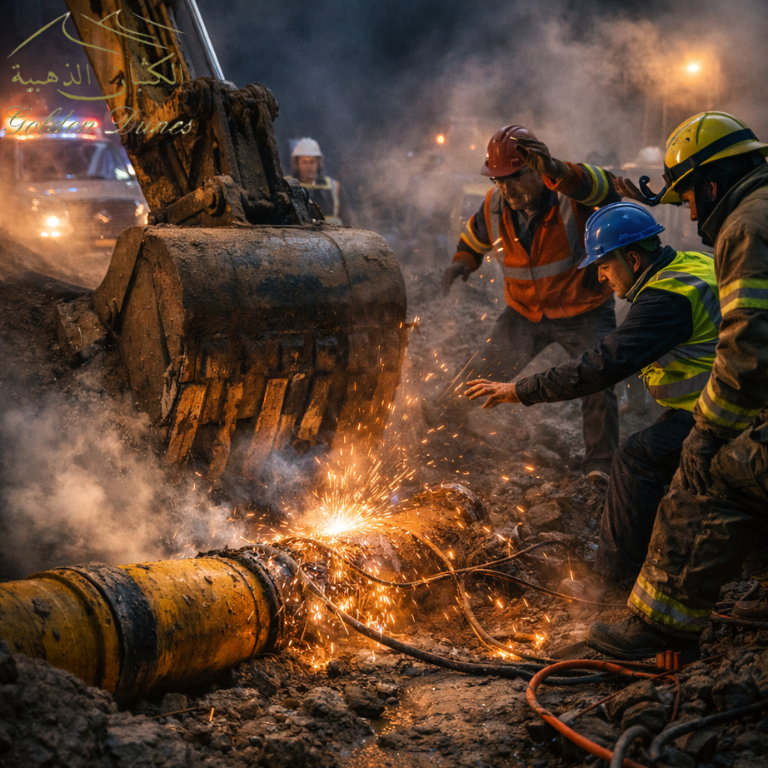
One of the most critical excavation mistakes that can occur during any excavation project is damaging underground utilities. These systems—such as water mains, electrical lines, and gas networks—form the backbone of modern infrastructure. Any disruption to them can lead to severe consequences, including service outages, safety hazards, and costly repairs that impact both the project and surrounding communities.
The impact of ignoring underground utilities
Ignoring underground utilities during excavation work is a high-risk decision that often stems from inadequate planning or reliance on outdated or incomplete data. When contractors fail to verify utility maps or properly locate utility lines, excavation can lead to unexpected disruption and even accidents that threaten workers and the public.
In many cases, striking a gas line or damaging electrical lines can lead to severe incidents, including fires, outages, or even fatalities. These risks are not limited to the construction site—they can extend to nearby residential or industrial areas, increasing the scale of the problem and the potential legal and financial consequences.
Common mistake: neglecting utility lines during excavation
A common mistake in excavation projects is neglecting the importance of utility lines and assuming their locations without proper verification. This type of guesswork is one of the leading causes of excavation mistakes and often results in damaging underground infrastructure. Such errors not only cause immediate damage but also lead to costly repairs, project delays, and additional labor costs.
Miscommunication between teams can further increase these risks. When project managers, contractors, and site workers are not aligned on utility data, it creates gaps in execution that can result in damaging underground systems during excavation work.
How poor excavation practices damage underground infrastructure
Poor excavation practices, including using the wrong equipment or cutting corners to save time, significantly increase the likelihood of damaging underground infrastructure. Without using specialized equipment or following proper excavation techniques, contractors expose the project to unnecessary hazards and operational failures.
Additionally, failure to follow safety protocols can escalate minor issues into major incidents. Excavation mistakes in such cases can lead to accidents, equipment damage, and long-term disruption that affects the entire project timeline.
The importance of accurate utility marking
Utility marking is one of the most effective ways to reduce risks during excavation. By clearly identifying the location of underground utilities before excavation begins, contractors can avoid costly mistakes and protect critical infrastructure. This process helps ensure that excavation work is carried out safely and efficiently.
Incorporating advanced detection methods and accurate utility marking strategies allows contractors to maintain site safety, reduce downtime, and keep projects on schedule. It also plays a key role in protecting workers and minimizing the risk of unexpected delays caused by damaging underground systems.
Soil Conditions and Their Role in Excavation Safety
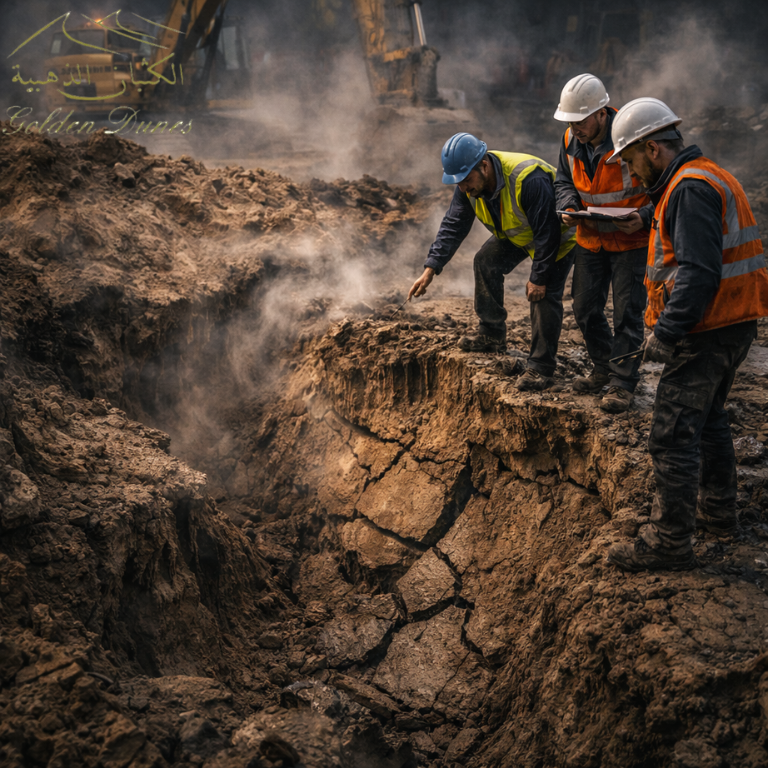
Soil conditions play a critical role in the success of any excavation project, yet they are often underestimated. Many excavation mistakes occur due to an insufficient understanding of soil characteristics before work begins. This lack of understanding can lead to unstable excavation sites, structural risks, and even project failure if not addressed properly from the outset.
The risks of ignoring soil conditions
Ignoring soil conditions is a major hazard in excavation work. Different types of soil behave differently under pressure, moisture, and load. When contractors fail to assess these environmental factors, excavation can lead to soil erosion, collapse, or instability that puts workers and the public at serious risk.
For example, poor soil combined with improper drainage can quickly turn a stable excavation site into a dangerous working environment. This can lead to unexpected delays, safety hazards, and costly repairs that affect the entire construction process.
Common mistake: working with poor soil
One of the most common excavation mistakes is working in poor soil without proper preparation. Contractors who rely on guesswork instead of soil testing expose their projects to unnecessary risks. This often results in rework, equipment damage, and increased labor costs due to unstable ground conditions.
Understanding the soil before excavation begins is essential to avoid costly mistakes. By applying proper planning and using the right excavation techniques, contractors can reduce risks and maintain efficient excavation throughout the project lifecycle.
Why soil analysis is critical before excavation
Soil analysis is a fundamental step in professional excavation services. It allows project managers to evaluate soil conditions, identify potential hazards, and develop contingency plans before excavation begins. This proactive approach helps reduce risks and ensures that excavation work is carried out safely and efficiently.
Modern projects increasingly rely on advanced methods to minimize excavation risks. For example, using non-destructive excavation techniques can significantly reduce the impact of soil instability and prevent damaging underground infrastructure.
According to global construction standards, proper soil testing and risk assessment are essential to maintaining site safety and avoiding costly errors. Industry reports, such as those published by the World Bank infrastructure sector, emphasize the importance of planning and environmental assessment in reducing project risks and improving long-term performance.
Ultimately, excavation mistakes related to soil conditions are preventable. By combining accurate soil analysis, proper drainage planning, and the use of specialized equipment, contractors can protect their projects from failure and ensure smooth, uninterrupted progress.
Drainage and Water Management Issues in Excavation
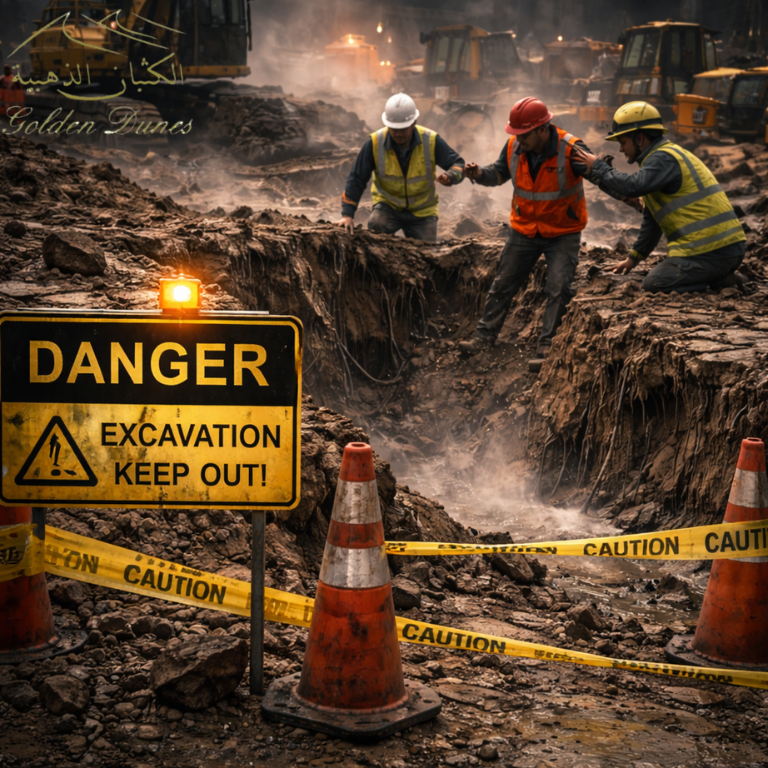
Drainage is a critical factor that directly influences the stability and safety of any excavation project. Poor drainage management is one of the most overlooked excavation mistakes, yet it can lead to severe structural issues, project delays, and costly repairs. When water is not properly controlled, excavation sites quickly become unstable, increasing the risk of hazards and operational disruption.
How poor drainage affects excavation performance
Improper drainage can significantly impact excavation work by weakening soil conditions and increasing the likelihood of soil erosion. Water accumulation in excavation sites can reduce ground stability, making it difficult to maintain efficient excavation and increasing the chances of equipment malfunctions.
In many cases, contractors underestimate how environmental factors such as groundwater levels or rainfall can affect excavation performance. Without proper planning, these conditions can lead to unexpected delays, rework, and additional labor costs that impact the overall project timeline.
Water management challenges in excavation projects
Water management becomes more complex in projects involving underground utilities, where poor drainage can increase the risk of damaging underground systems such as water mains and utility lines. This can lead to service disruption, outages, and costly mistakes that affect both the project and surrounding infrastructure.
To reduce these risks, modern construction projects rely on advanced excavation techniques and safety-focused solutions. For example, integrating smart site safety systems helps monitor working environments in real time, allowing contractors to detect potential hazards early and maintain site safety.
Additionally, global construction guidelines emphasize the importance of water management in excavation planning. Organizations such as the Federal Highway Administration (FHWA) highlight that proper drainage systems are essential to prevent soil instability, protect underground infrastructure, and ensure long-term project sustainability.
Effective drainage planning is not just about removing water—it is about maintaining control over the excavation environment. By combining proper planning, accurate soil analysis, and modern safety protocols, contractors can reduce risks, avoid costly repairs, and keep projects on schedule.
Safety Hazards in Excavation Work
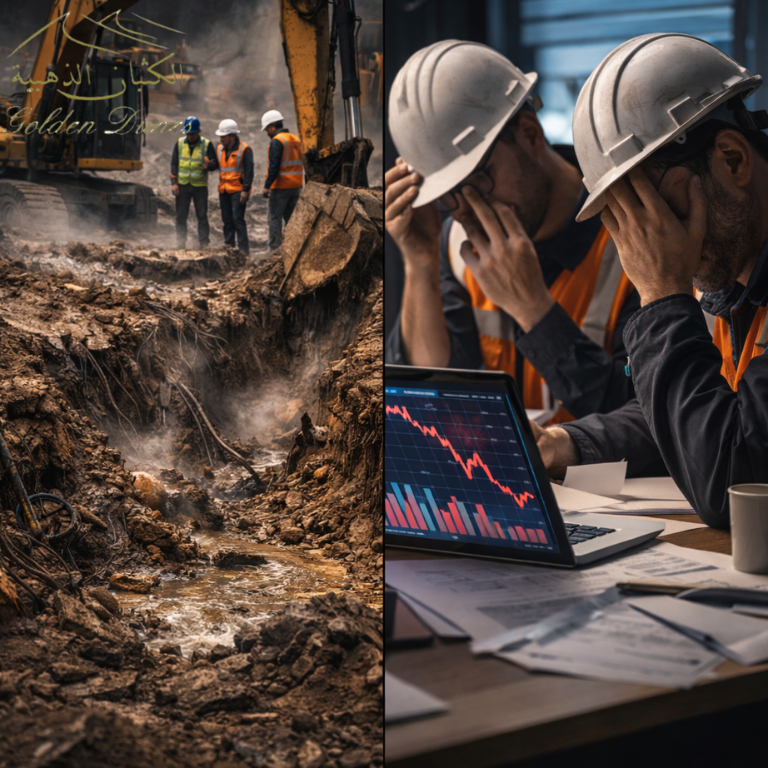
Safety hazards are among the most serious consequences of excavation mistakes, especially in complex construction projects. When excavation work is carried out without strict adherence to safety protocols, it can lead to accidents, injuries, and even fatalities. These risks do not only affect workers on-site but can also extend to the public, making site safety a top priority for any contractor.
Major safety hazards on excavation sites
Excavation sites present a wide range of safety hazards, including ground collapse, equipment malfunctions, and exposure to underground utilities such as electrical lines and gas networks. One of the most dangerous scenarios is striking a gas line, which can lead to severe explosions or outages that disrupt entire areas.
In addition, unstable soil conditions and poor drainage increase the likelihood of trench collapse, putting workers at immediate risk. Without proper planning and monitoring, these hazards can quickly escalate into major incidents that derail the entire excavation project.
Common mistake: failing to follow safety protocols
Failing to follow safety protocols is a common mistake that significantly increases excavation risks. Cutting corners to save time or reduce costs often results in costly errors that can lead to accidents and long-term damage. Many contractors underestimate the importance of protective measures such as utility marking, proper equipment handling, and clear communication between teams.
Miscommunication on excavation sites can lead to severe consequences, especially when dealing with underground infrastructure. When project managers and workers are not aligned, the risk of damaging underground systems or causing disruption increases dramatically.
How safety measures impact project success
Implementing strong safety measures is essential for protecting workers and ensuring project continuity. Advanced technologies and modern excavation techniques play a crucial role in reducing risks and maintaining safe working environments. For instance, using professional excavation services based on non-destructive methods helps minimize the risk of damaging underground utilities and enhances overall site safety.
Industry standards emphasize that safety is directly linked to project performance. According to global labor and safety guidelines provided by the International Labour Organization (ILO), following structured safety protocols significantly reduces accidents and improves efficiency across construction projects.
Ultimately, avoiding excavation mistakes in safety practices requires a proactive approach. By combining proper planning, specialized equipment, and strict adherence to safety protocols, contractors can reduce risks, prevent costly repairs, and ensure that excavation projects are completed without disruption.
Hidden Costs of Excavation Mistakes
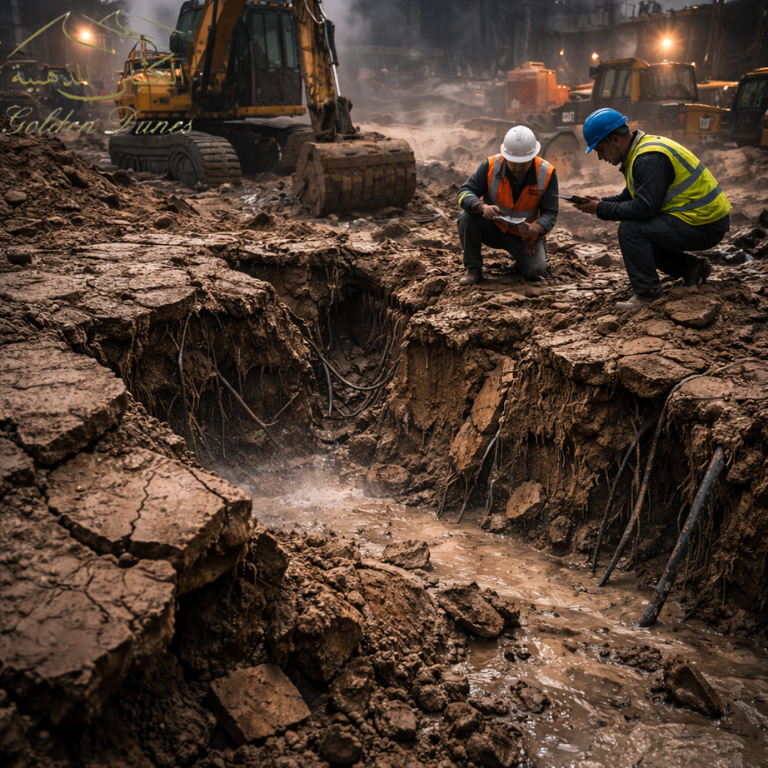
While many contractors focus on the immediate impact of excavation mistakes, the real financial burden often lies in the hidden costs that are not visible at the outset. These hidden costs can quietly accumulate and lead to costly repairs, budget overruns, and long-term disruption that affects the entire excavation project.
Hidden costs linked to poor excavation practices
Poor excavation practices are one of the primary causes of hidden costs in construction projects. When excavation work is carried out without proper planning or accurate data, it often results in rework, increased labor costs, and extended project timelines. These issues not only reduce efficiency but also create unnecessary financial pressure on contractors and project managers.
For example, damaging underground utilities such as water mains or electrical lines may require immediate repair, but the real cost goes beyond that. It includes downtime, service outages, and disruption to surrounding infrastructure. In many cases, these costs are significantly higher than the initial repair itself.
The financial impact of repair and rework
Repair and rework are among the most expensive consequences of excavation mistakes. When mistakes made during excavation are not identified early, they can lead to repeated work cycles that consume both time and resources. This not only delays the project but also increases the risk of additional hazards and equipment damage.
In large-scale excavation projects, even small errors can escalate into major financial losses. Budget overruns caused by costly repairs and operational delays can affect the overall feasibility of the project. This is why adopting efficient excavation techniques and using specialized equipment is essential to avoid costly mistakes.
Modern solutions play a key role in minimizing these risks. For example, adopting advanced methods such as modern excavation techniques can significantly reduce the likelihood of damaging underground infrastructure and lower the overall cost of excavation work.
Global infrastructure reports also highlight the financial impact of poor planning. According to the McKinsey infrastructure insights, inefficiencies and errors in construction projects can increase total costs by a significant margin, emphasizing the importance of proper planning and risk management.
Ultimately, excavation mistakes are not just technical errors—they are financial risks that can lead to costly outcomes if not properly managed. By focusing on avoiding common mistakes, improving planning strategies, and using the right tools, contractors can protect their budgets and ensure long-term project success.
Modern Solutions That Help You Avoid Excavation Mistakes
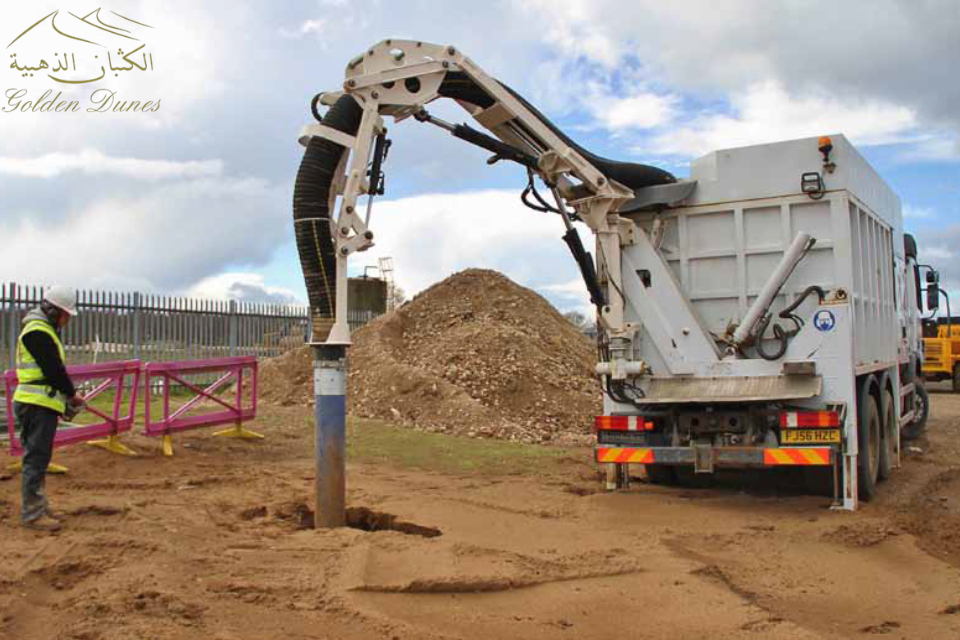
As construction projects become more complex, relying on traditional excavation techniques is no longer sufficient. Modern solutions are designed to reduce risks, improve efficiency, and help contractors avoid costly mistakes. By combining advanced technology with proper planning, contractors can significantly reduce the impact of excavation mistakes and maintain project stability.
Why advanced excavation methods are safer
Advanced excavation techniques focus on precision and control, especially when working around underground utilities. Unlike traditional methods that rely on heavy digging, modern approaches reduce the risk of damaging underground infrastructure and improve overall site safety.
For example, adopting vacuum excavation solutions allows contractors to safely expose utility lines without causing damage. This method is particularly effective in complex working environments where accuracy is critical to avoid costly repairs and disruption.
In addition, integrating inspection technologies such as pipeline inspection systems helps identify potential risks before excavation begins, enabling project managers to make informed decisions and reduce hazards.
How modern solutions help you avoid costly mistakes
Modern excavation solutions are built around data-driven decision-making. By using accurate utility maps, advanced detection tools, and specialized equipment, contractors can reduce risks and improve excavation performance. These solutions not only enhance safety but also help keep projects on schedule and minimize downtime.
According to international construction guidelines, adopting innovative technologies is essential to improving efficiency in infrastructure projects. Reports such as those published by the OECD infrastructure sector highlight the importance of integrating technology to reduce errors and improve long-term project outcomes.
Tips for Successful Excavation Projects

Avoiding excavation mistakes requires a combination of planning, technology, and disciplined execution. Contractors who follow best practices are more likely to achieve efficient excavation and reduce risks throughout the project lifecycle.
Best practices for safe and efficient excavation
To ensure successful excavation work, contractors should:
– Conduct proper soil analysis and soil testing before excavation begins
– Verify underground utilities using updated utility maps and accurate utility marking
– Use specialized equipment suited for the specific excavation project
– Follow strict safety protocols to protect workers and the public
– Implement contingency plans to handle unexpected challenges
Practical steps to reduce risks and improve performance
In addition to best practices, maintaining clear communication between teams is essential to avoid miscommunication and costly errors. Project managers should ensure that all workers understand the excavation plan, safety requirements, and potential hazards before starting work.
By focusing on proper planning, understanding the soil, and using the right tools, contractors can avoid costly mistakes and ensure that excavation projects are completed efficiently and safely.