
Hidden Excavation Risks in Saudi Arabia That Delay Mega Projects
Introduction: Excavation Risk Management in Saudi Arabia
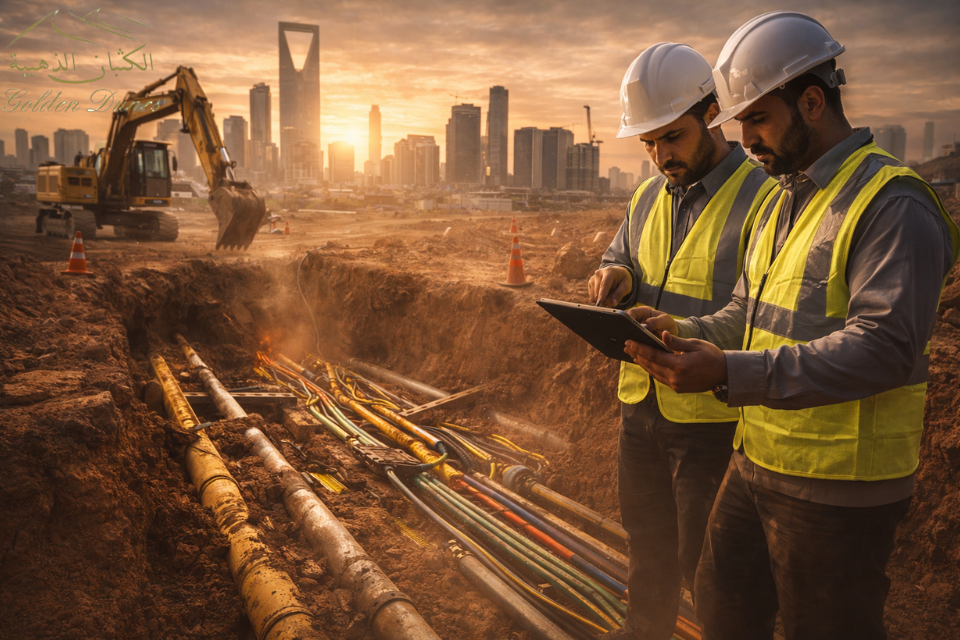
In today’s rapidly evolving construction industry, excavation has become one of the most critical stages in any construction project across Saudi Arabia. With the rise of mega projects and complex infrastructure projects, the level of excavation risks in Saudi Arabia has increased significantly, especially in areas with dense underground utilities and challenging soil conditions.
Whether excavation work takes place in urban smart cities or remote industrial zones, the risks associated with excavation are no longer limited to basic hazards. Instead, they now involve multiple risk factors, including gas exposure, utility damage, and instability within trench environments. These risks directly impact project timelines, safety performance, and overall project success.
In many construction sites, excavation work intersects with existing utility lines and underground assets, making risk management a strategic requirement rather than a technical step. According to global safety frameworks such as OSHA excavation safety guidelines, proper risk assessment and safety protocols are essential to protect workers and the public while ensuring compliance with occupational safety standards.
For project owners and contractors working across the kingdom, understanding excavation risks in Saudi Arabia is essential to avoid unplanned delays, financial exposure, and safety incidents. This is particularly relevant in projects aligned with Saudi Vision 2030, where construction performance, safety, and efficiency are critical success factors.
To better understand how modern techniques are reshaping safe excavation practices, companies are increasingly adopting advanced solutions such as non-destructive excavation methods, which help reduce risks associated with traditional excavation and improve overall project safety.
What Is Excavation Risk Management?

Excavation risk management refers to the structured process of identifying, analyzing, and controlling excavation risks in Saudi Arabia across different construction projects. It is a critical component in ensuring that excavation work is carried out safely, efficiently, and in compliance with safety regulations and occupational safety standards.
In modern Saudi Arabia’s construction sector, excavation risk is no longer limited to visible hazards. Instead, it involves a wide range of risks associated with underground utilities, gas leaks, unstable soil conditions, and confined spaces within excavation sites. These risks require a systematic approach that combines technical expertise, real-time monitoring, and proactive safety measures.
Definition of Excavation Risks in Construction Projects
Excavation risks include any potential hazard that may arise during excavation work and affect workers, equipment operators, or surrounding infrastructure. These hazards in excavation may include trench collapse, utility strikes, machinery-related incidents, and exposure to hazardous gases.
In projects in Saudi Arabia, especially those involving large-scale infrastructure projects, excavation risks are often amplified due to the presence of multiple contractors working within the same excavation area. This increases the complexity of coordination and requires precise risk assessment and clear communication between all parties involved.
Key Elements of Effective Risk Management
An effective excavation risk management strategy is built on several key elements. First, risks are identified through detailed site investigations and geotechnical analysis before construction begins. Second, contractors implement safety protocols and safety precautions to mitigate risks associated with excavation practices.
Additionally, the use of advanced equipment and modern excavation equipment plays a vital role in reducing human error and improving safety performance. Equipment operators must be trained to handle complex machinery while adhering to strict safety measures to ensure safe excavation across all excavation sites.
The Role of Risk Assessment in Excavation Projects
Risk assessment is a foundational step in managing excavation risks in Saudi Arabia. It allows project owners and contractors to evaluate potential risk factors, including soil instability, underground assets, and environmental exposure, before excavation work begins.
Through structured excavation risk management, consultants and project stakeholders can develop mitigation strategies that minimize disruptions to the project timeline. This is particularly important in mega projects where delays can have significant financial and operational consequences.
Modern solutions such as pipeline inspection technologies are increasingly used to detect underground utilities and reduce the likelihood of utility damage, helping ensure safer and more efficient excavation operations.
The Most Critical Excavation Hazards in Saudi Projects

Understanding excavation risks in Saudi Arabia requires a deep analysis of the most common hazards in excavation that directly impact construction projects. These hazards are not always visible at the surface but can cause severe damage, safety incidents, and unexpected delays if not properly managed.
Across construction sites in Saudi Arabia, excavation work often takes place in complex environments where underground utilities, variable soil conditions, and heavy machinery interact simultaneously. This combination creates multiple risk factors that must be addressed through structured risk management and continuous monitoring.
Underground Utility Strikes and Hidden Infrastructure Risks
One of the most critical excavation hazards is the risk of striking underground utilities such as gas pipelines, electrical cables, and water networks. In many projects in Saudi Arabia, incomplete or outdated data about underground assets increases the likelihood of utility damage during excavation work.
Utility strikes can lead to gas leaks, service disruptions, and serious safety incidents affecting both workers and the public. To mitigate risks associated with underground utilities, contractors must rely on accurate detection methods and advanced technologies such as pipeline inspection systems that help identify utility lines before excavation begins.
Soil Collapse and Trench Failure Hazards
Soil instability remains a major risk factor in trench and excavation operations. Depending on soil conditions and geotechnical characteristics, excavation areas may become unstable, leading to sudden trench collapse or structural failure.
Without proper shore systems and safety measures, workers operating within trenches are exposed to life-threatening hazards. Implementing trenching and excavation safety protocols, including proper support systems and continuous soil assessment, is essential to maintain safe excavation environments.
Heavy Machinery and Equipment-Related Risks
The use of excavation equipment and heavy machinery introduces additional hazards, particularly when multiple equipment operators are working within confined spaces. Poor coordination, limited visibility, and equipment malfunction can significantly increase exposure to accidents.
Ensuring safe excavation practices requires proper training for equipment operators, adherence to safety precautions, and the use of advanced equipment designed to operate efficiently in complex excavation sites.
Exposure to Gas and Hazardous Environments
Excavation work in areas with underground utilities often exposes workers to hazardous gases and confined environments. Gas leaks can occur unexpectedly, especially when excavation intersects with existing utility lines.
To reduce exposure risks, construction companies must implement strict safety measures, including gas detection systems, real-time monitoring, and the use of personal protective equipment (PPE). These measures are essential to protect workers and ensure compliance with occupational safety standards.
How Excavation Risks Cause Project Delays
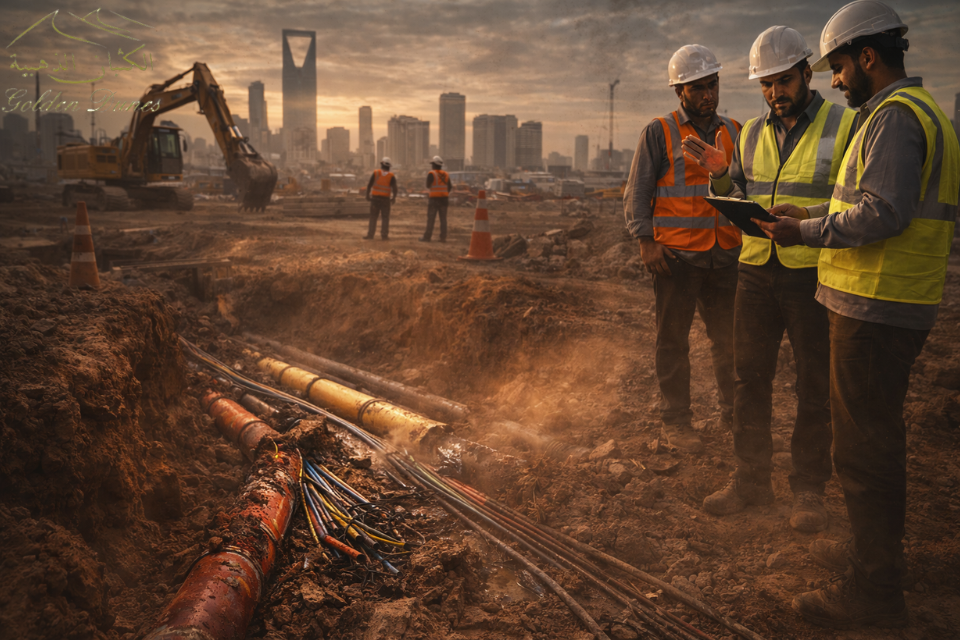
In modern construction projects, excavation risks in Saudi Arabia are one of the primary drivers behind delays that impact overall project timelines. While many delays are initially perceived as technical issues, they are often the direct result of unmanaged risk factors within excavation sites.
When excavation work begins without proper risk assessment or insufficient planning, even a minor hazard can escalate into a major disruption. These disruptions affect not only the excavation project itself but also the broader construction schedule, especially in projects where multiple contractors are working simultaneously.
Work Stoppage Due to Unexpected Hazards
One of the most immediate consequences of excavation hazards is unplanned work stoppage. When a utility line is damaged or a gas leak occurs, construction activities must be halted until the issue is resolved and safety conditions are restored.
Such incidents often require coordination with asset owners and regulatory authorities, leading to delays that extend beyond the excavation area and affect the entire project timeline.
Rework and Additional Construction Costs
Excavation risks frequently result in rework, especially when underground utilities are incorrectly identified or excavation practices damage critical infrastructure. Rework increases construction costs, extends deadlines, and places additional pressure on project owners and contractors.
In large infrastructure projects, even small errors in excavation work can trigger a chain reaction of corrective actions, impacting multiple phases of the construction process.
Safety Incidents and Reduced Safety Performance
Safety incidents caused by excavation hazards—such as trench collapse, machinery accidents, or exposure to hazardous gases—can significantly reduce safety performance across construction sites. These incidents not only endanger workers but also lead to investigations, shutdowns, and stricter safety regulations.
Maintaining high safety performance requires proactive safety measures, continuous monitoring, and strict adherence to safety protocols to mitigate risks before they escalate.
Regulatory Delays and Compliance Challenges
Failure to comply with safety regulations and excavation safety standards can result in regulatory delays, penalties, or project suspension. In Saudi Arabia, where construction standards are continuously evolving in line with Vision 2030, compliance has become a critical factor in project success.
Contractors working on projects in Saudi Arabia must ensure that excavation work meets all required safety precautions and risk management standards to avoid unnecessary disruptions and maintain project momentum.
Impact on Project Timeline and Stakeholder Confidence
Delays caused by excavation risks directly affect project timelines, leading to missed deadlines and reduced confidence among project stakeholders. For project owners and consultants, these delays can result in financial losses, contractual disputes, and reputational damage.
In mega projects and smart cities developments, where precision and efficiency are essential, managing excavation risks in Saudi Arabia is not just a safety requirement—it is a strategic necessity for maintaining trust and ensuring long-term project success.
To reduce these risks and improve excavation safety, many companies are adopting advanced approaches such as modern excavation methods that minimize disruption and enhance overall efficiency.
The Real Cost of Ignoring Excavation Risks
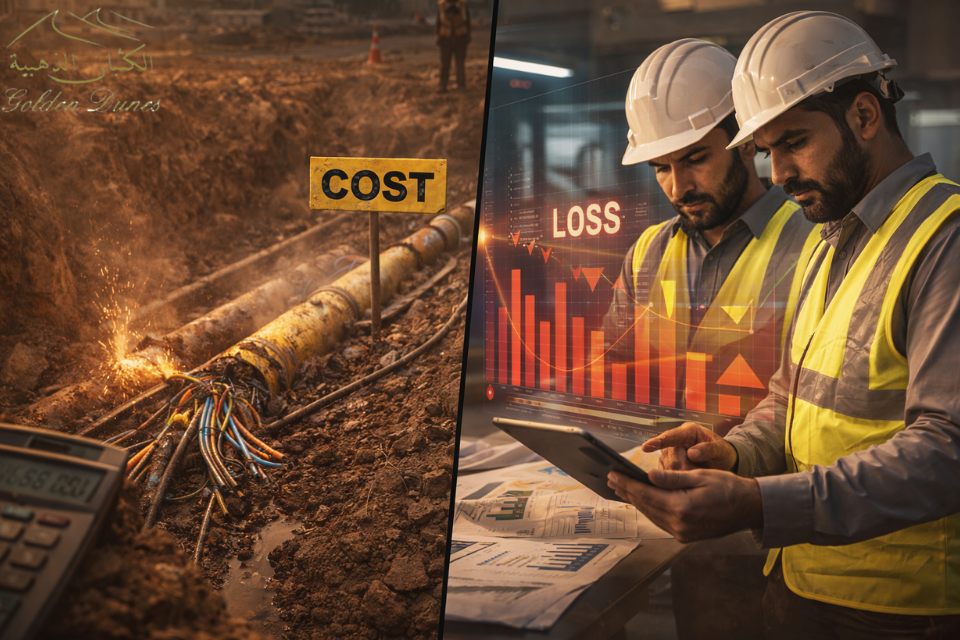
Ignoring excavation risks in Saudi Arabia can lead to consequences that extend far beyond immediate site incidents. While many project owners initially focus on direct construction costs, the true impact of unmanaged excavation risks often appears in the form of long-term financial losses, operational disruption, and reduced project efficiency.
In complex infrastructure projects, excavation has become a critical phase where even minor hazards can destabilize the entire construction workflow. Without structured excavation risk management, risks associated with excavation work can accumulate, creating a compounding effect that impacts both cost and performance.
Hidden Financial Exposure Beyond Direct Costs
One of the most overlooked aspects of excavation risks is hidden financial exposure. This includes indirect costs such as project delays, penalties, extended labor requirements, and additional equipment usage. These costs are rarely planned for, making them a major risk factor for project owners and contractors.
In many projects in Saudi Arabia, unplanned incidents such as utility damage or trench instability can trigger a series of financial consequences that affect the entire construction project, not just the excavation phase.
Impact on Project Deadlines and Contractual Obligations
Delays caused by excavation hazards can significantly affect project deadlines, leading to missed milestones and contractual penalties. In projects aligned with Saudi Arabia’s Vision 2030, where timelines are tightly controlled, even small disruptions can have a major impact on project delivery.
Contractors working across the kingdom must consider excavation risks as a key factor in maintaining project timelines and ensuring compliance with contractual obligations.
Damage to Underground Assets and Infrastructure
Excavation risks often result in damage to underground assets, including utility lines and critical infrastructure systems. Such damage not only affects the immediate excavation area but can also disrupt essential services and require extensive repair work.
To mitigate risks associated with underground utilities, modern construction companies are adopting advanced detection and monitoring solutions, such as smart site safety systems, which provide real-time insights and improve risk management across excavation sites.
Reduced Safety Performance and Increased Liability
Poor management of excavation safety hazards leads to reduced safety performance and increased liability for contractors and project owners. Safety incidents involving trench collapse, gas exposure, or machinery accidents can result in serious injuries, legal claims, and regulatory penalties.
Ensuring safe excavation practices and implementing proper safety measures is essential to protect workers and maintain compliance with occupational safety standards in Saudi Arabia’s construction sector.
Reputational Risk and Loss of Stakeholder Trust
Beyond financial and operational impacts, excavation risks can damage a company’s reputation and reduce stakeholder confidence. In high-profile projects, repeated delays or safety incidents can affect long-term relationships with clients, consultants, and government entities.
For construction companies and contractors in Saudi Arabia, maintaining a strong reputation depends on their ability to manage excavation risks effectively and deliver projects on time without compromising safety.
Why Traditional Excavation Is No Longer Enough
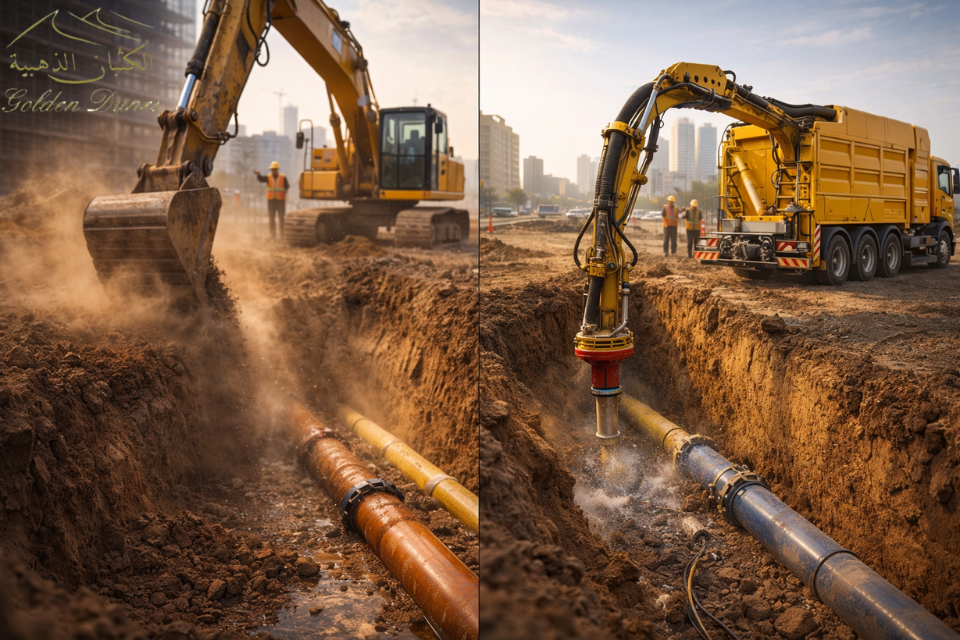
In the past, traditional excavation methods were considered sufficient for most construction projects. However, with the rapid development of infrastructure projects and the increasing complexity of excavation sites in Saudi Arabia, these methods are no longer capable of managing modern excavation risks in Saudi Arabia effectively.
Today, excavation work takes place in environments where underground utilities, confined spaces, and advanced infrastructure systems coexist. This shift has transformed excavation from a routine construction activity into a high-risk operation that requires precision, control, and advanced risk management strategies.
Limitations of Conventional Excavation Approaches
Traditional excavation relies heavily on mechanical force and heavy machinery, often without precise control over the excavation area. This approach increases the likelihood of damaging underground assets, especially in areas with dense utility lines and complex geotechnical conditions.
In many construction sites, these limitations lead to increased hazards in excavation, including utility strikes, soil instability, and exposure to unsafe working conditions. As a result, contractors working with conventional methods face higher levels of risk compared to those adopting modern excavation practices.
Why Legacy Methods Fail in Modern Construction Environments
Modern Saudi construction projects—particularly those aligned with Vision 2030—require a higher level of safety performance and operational efficiency. Traditional excavation methods struggle to meet these requirements due to their limited ability to adapt to real-time conditions and evolving site challenges.
In large-scale projects and smart cities developments, excavation risks in Saudi Arabia are amplified by the presence of multiple contractors, high-density infrastructure, and strict regulatory standards. Legacy approaches fail to scale effectively in such environments, leading to increased project delays and operational inefficiencies.
Increased Risk Exposure in Complex Excavation Sites
As excavation has become more complex, the risk exposure associated with traditional methods has increased significantly. Factors such as unstable soil conditions, underground utilities, and confined excavation areas create a high-risk environment that cannot be managed effectively.
To address these challenges, leading construction companies are shifting toward safer and more controlled excavation solutions, such as advanced excavation services that reduce risks, improve precision, and support safer excavation practices across construction sites.
A Smarter Approach to Managing Excavation Risks
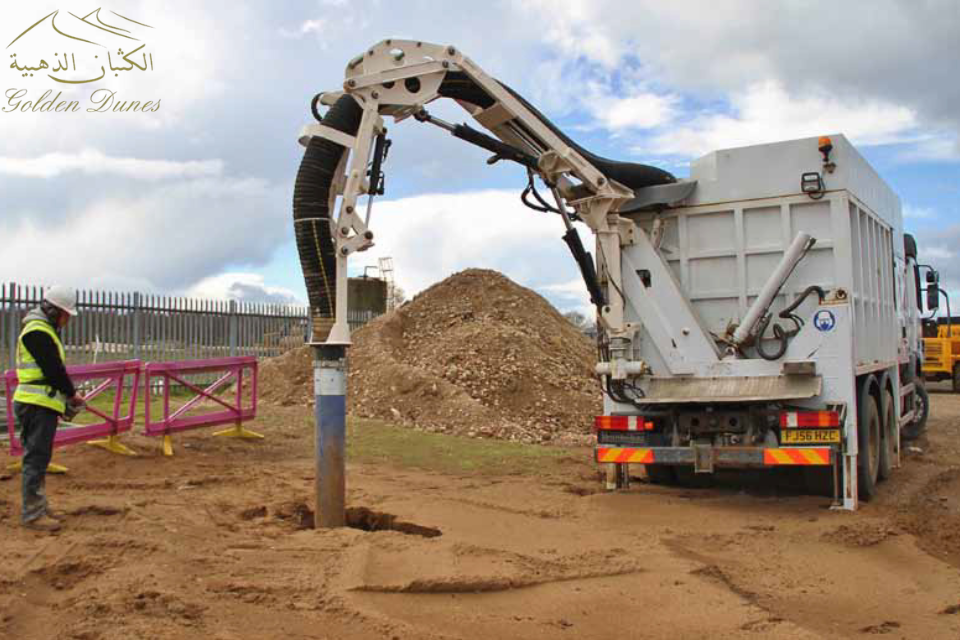
As excavation risks in Saudi Arabia continue to increase with the growth of infrastructure projects, the need for smarter and more controlled excavation practices has become essential. Modern construction projects require a shift from reactive problem-solving to proactive risk management that focuses on preventing hazards before they occur.
A smarter approach to excavation risk management is built on precision, planning, and the integration of advanced technologies. Instead of relying solely on traditional excavation, contractors are adopting solutions that improve accuracy, reduce exposure to hazards, and enhance overall safety performance across excavation sites.
Non-Destructive Excavation Techniques for Utility Protection
One of the most effective ways to mitigate risks associated with underground utilities is through non-destructive excavation methods. These techniques allow contractors to expose utility lines safely without causing damage, reducing the likelihood of gas leaks, service interruptions, and costly repairs.
Compared to traditional excavation, these methods provide greater control over the excavation area and significantly reduce excavation safety hazards. To understand how these methods differ from conventional approaches, modern projects increasingly rely on advanced excavation comparison techniques that highlight the advantages of precision-based excavation.
Precision Excavation in High-Density Utility Environments
In urban construction projects and smart cities developments, excavation work often takes place in areas with high-density underground utilities. In such environments, precision becomes a critical factor in reducing excavation risks in Saudi Arabia.
Advanced equipment and modern excavation technologies enable contractors to work within confined spaces while maintaining control over soil conditions and surrounding infrastructure. This level of precision helps prevent accidental damage to underground assets and ensures safe excavation practices.
Integration with Real-Time Monitoring and Detection Systems
Another key component of smart excavation practices is the use of real-time monitoring systems that provide continuous insights into excavation conditions. These systems allow contractors to detect potential hazards early and respond quickly before they escalate into serious incidents.
By integrating monitoring technologies with structured excavation risk management strategies, construction companies can significantly improve safety performance and reduce the likelihood of delays. Solutions such as smart safety monitoring systems play a vital role in enhancing visibility and control across excavation sites.
Why Leading Companies Focus on Risk Prevention

In today’s competitive construction industry, leading companies in Saudi Arabia no longer treat excavation work as a routine phase within a construction project. Instead, they recognize that excavation risks in Saudi Arabia are a strategic factor that directly influences project success, safety performance, and long-term operational efficiency.
This shift in mindset has led many contractors and project owners to prioritize risk prevention over reactive solutions. By identifying risks early and implementing structured excavation risk management strategies, companies can mitigate risks before they impact construction sites and project timelines.
From Reactive Problem-Solving to Proactive Risk Management
Traditional approaches often rely on addressing hazards after they occur, which increases exposure to delays and financial losses. In contrast, proactive risk management focuses on identifying potential risk factors during the planning stage, before excavation work begins.
This approach allows contractors working on projects in Saudi Arabia to develop effective safety measures, reduce hazards in excavation, and maintain control over complex excavation sites where multiple contractors operate simultaneously.
Enhancing Safety Performance Across Construction Projects
Improving safety performance is a key priority for construction companies operating across the kingdom. By adopting advanced excavation practices and integrating safety protocols into daily operations, companies can reduce excavation safety hazards and ensure safer working environments for equipment operators and workers.
Consistent monitoring, adherence to safety precautions, and proper use of personal protective equipment (PPE) contribute significantly to maintaining high safety standards and minimizing risks associated with excavation work.
Long-Term Efficiency and Project Reliability
Focusing on risk prevention not only improves safety but also enhances overall project reliability. When excavation risks in Saudi Arabia are effectively managed, projects are more likely to meet deadlines, stay within budget, and deliver consistent performance across all phases of construction.
For project owners and contractors, this approach builds trust, strengthens relationships with stakeholders, and supports the successful delivery of infrastructure projects aligned with Vision 2030.
To explore how integrated construction solutions support safer and more efficient operations, companies increasingly rely on comprehensive infrastructure services that combine technology, expertise, and risk management strategies.
Frequently Asked Questions About Excavation Risks in Saudi Arabia
Conclusion: Excavation Risk Management as a Strategic Priority
As infrastructure projects continue to expand across Saudi Arabia, managing excavation risks in Saudi Arabia has become a critical factor in ensuring project success. What was once considered a routine construction activity is now a high-impact phase that directly affects safety performance, project timelines, and financial outcomes.
From underground utilities and trench hazards to machinery risks and gas exposure, the risks associated with excavation require a structured and proactive approach. Contractors and project owners must adopt modern excavation practices, implement advanced technologies, and prioritize safety measures to mitigate risks effectively.
In today’s construction sector, the difference between successful project delivery and costly delays often comes down to how excavation risks are managed. Companies that invest in smarter solutions, real-time monitoring, and precise excavation techniques are better positioned to deliver safe, efficient, and reliable results.
If you are looking to reduce excavation risks in your next project and improve safety performance across your construction sites, exploring advanced solutions such as modern excavation technologies can provide a significant advantage in managing complex excavation environments.
Making the right decision today can prevent costly delays tomorrow. In Saudi Arabia’s fast-moving construction landscape, effective excavation risk management is not optional—it is essential.