
Construction Site Safety: Critical Safety Rules Every Construction Worker Must Follow
Construction Site Safety Fundamentals

Construction site safety is a critical pillar in the modern construction industry, where even minor oversights can lead to serious consequences. Ensuring health and safety on every job site is not just a regulatory requirement—it is a fundamental responsibility that directly impacts construction workers, project timelines, and overall operational efficiency.
In any construction project, the presence of a hazard—whether visible or hidden—can significantly increase the risk of accidents. From heavy machinery operations to complex excavation activities, construction environments are inherently hazardous. This makes the implementation of proper safety standards and structured safety practices essential for maintaining a secure and controlled work environment.
Effective construction safety begins with a proactive approach that combines risk assessment, safety training, and the correct use of personal protective equipment (PPE). By identifying potential safety risks early and applying preventive safety measures, organizations can protect construction workers and reduce the likelihood of costly disruptions or injuries.
As construction activities continue to evolve across Saudi Arabia and the GCC, especially within large-scale infrastructure developments, maintaining high standards of construction site safety is no longer optional—it is a strategic necessity. Companies that prioritize safety not only prevent injuries but also enhance project safety, improve productivity, and build long-term trust within the construction industry.
Identifying Hazards and Risk Control
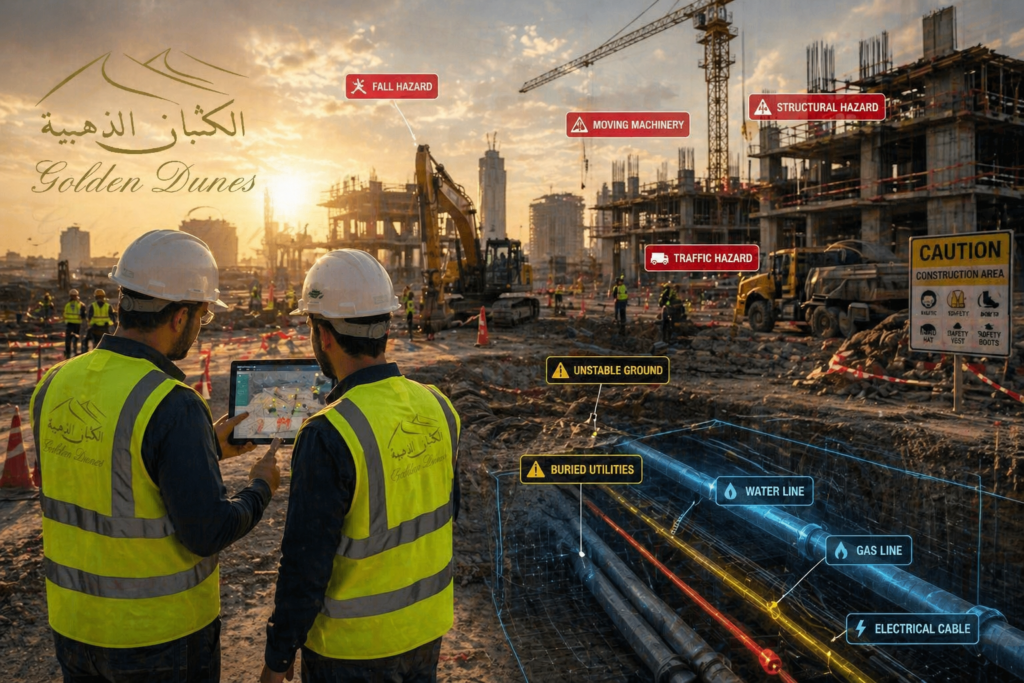
A strong construction site safety strategy begins with the ability to accurately identify hazards in construction environments. Every job site contains multiple safety hazard sources, ranging from heavy machinery and construction equipment to unstable surfaces and confined work areas. Without proper identification, these hazards can quickly escalate into serious safety issues.
Common Construction Site Hazards
Construction workers are exposed daily to a wide range of hazardous conditions. These include working at height, exposure to dust and vibration, contact with silica dust, and the risk of electrocution from electrical systems. In addition, improper handling of tools and equipment or working near active machinery increases the risk of accidents significantly.
Certain materials such as asbestos or environments with exposure to solvents and harmful fume can create long-term health risks. These hazards are often underestimated, yet they represent a critical aspect of health and safety within many construction-related operations.
Hazard Control Strategies and Best Practices
Controlling hazards requires a structured approach that combines engineering controls, administrative policies, and proper safety practices. Implementing safety measures such as fall protection equipment, safety net systems, and personal fall arrest systems can significantly reduce the risk of injury, especially in high-risk zones like elevated structures and scaffolding areas.
In addition, maintaining a clutter-free worksite and ensuring proper housekeeping standards helps reduce slips and trips, which are among the most common causes of construction accidents. Regular safety audits and inspections are also essential to monitor compliance with safety regulations and ensure that all safety documents are up to date.
Risk Assessment in Construction Projects
A comprehensive risk assessment process is essential for managing safety risks effectively. This process involves evaluating all construction activities, identifying potential hazards, and determining the appropriate safety measures to prevent injuries before they occur.
Modern approaches to risk assessment now incorporate advanced technologies and data-driven insights. For example, understanding the excavation risks in Saudi Arabia allows project managers to anticipate hidden dangers beneath the surface and take proactive steps to protect construction site workers.
By integrating continuous monitoring, proper planning, and targeted safety training, organizations can significantly reduce exposure to hazardous conditions and improve overall construction site safety across all project phases.
Personal Protective Equipment (PPE) and Worker Safety
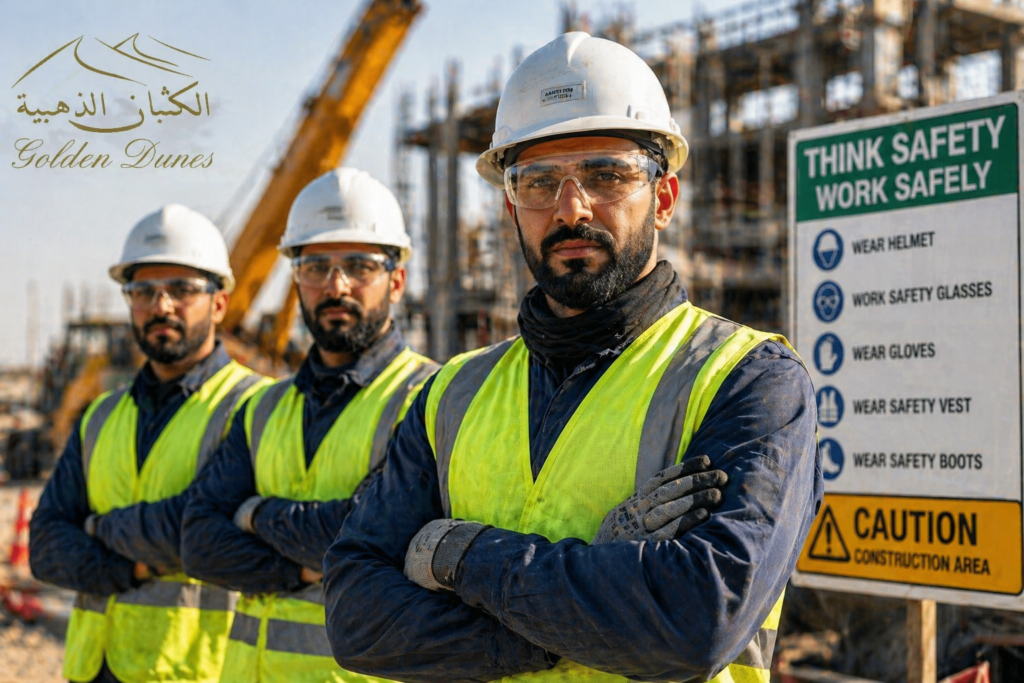
Personal protective equipment (PPE) plays a fundamental role in maintaining construction site safety, especially in environments where construction workers are exposed to multiple safety risks daily. While engineering controls and planning reduce hazards, PPE acts as the final layer of protection against potential injuries.
Importance of PPE for Construction Workers
Construction workers operate in highly dynamic and hazardous conditions where exposure to hazardous materials, falling objects, and moving construction equipment is unavoidable. Proper use of personal protective equipment is essential to protect construction workers from immediate risks such as impact injuries, as well as long-term exposure to harmful elements like silica dust and airborne particles.
Items such as hard hats, high-visibility vest, gloves, and protective footwear are not optional—they are critical safety measures that directly reduce the risk of injury across many construction sites. Ensuring appropriate PPE is available and used correctly is a key requirement under most safety regulations and health and safety standards.
Proper Use of Personal Protective Equipment
Providing PPE alone is not enough; workers must understand how to use it correctly. This requires continuous safety training and clear safety awareness programs that emphasize correct usage, maintenance, and limitations of each piece of protection equipment.
For example, wearing appropriate PPE in excavation zones is essential, especially when dealing with hidden infrastructure risks. Using advanced methods such as non-destructive excavation techniques can significantly reduce exposure to hazardous conditions while complementing PPE effectiveness.
Hard Hats and Essential Safety Gear
Among all protective equipment, hard hats remain one of the most critical components in construction safety. They protect workers from falling objects, debris, and accidental impacts, which are common in active construction work environments.
In addition to hard hats, modern construction sites require integrated protection solutions such as safety goggles, respiratory masks, and fall protection equipment when working at height. These elements collectively contribute to building a strong safety culture that prioritizes prevention over reaction.
Ultimately, improving construction site safety depends not only on equipment availability but also on enforcing proper safety practices, ensuring compliance with safety standards, and continuously reinforcing a culture where every worker understands the importance of protection and responsibility.
Working at Height and Fall Protection
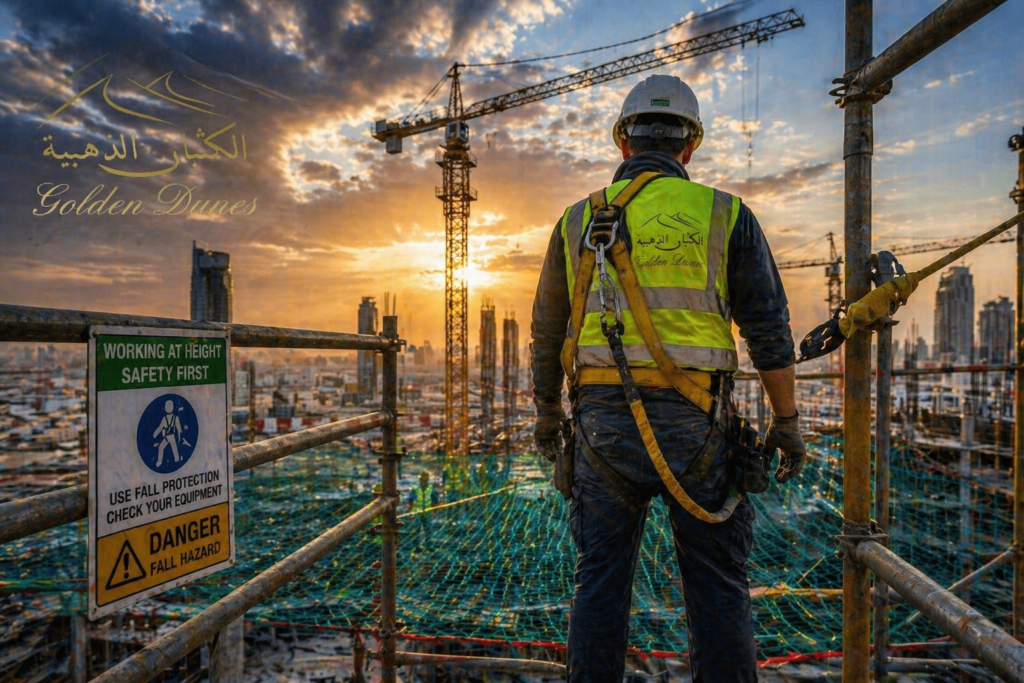
Working at height remains one of the leading causes of construction accidents, making it a critical focus area within any construction site safety strategy. Whether on a roof, scaffold, or elevated platform, even a minor lapse in safety measures can result in severe injuries or fatalities.
Risks of Working at Height in Construction
Construction workers frequently face safety risks when operating at height, especially during structural work, maintenance, or installation tasks. These risks include loss of balance, unstable surfaces, and inadequate ladder safety practices, all of which significantly increase the risk of accidents.
In many construction activities, failure to secure proper fall protection systems exposes workers to dangerous situations. Combined with environmental factors such as wind, dust and vibration, and limited visibility, the probability of a serious incident becomes much higher.
Fall Protection Systems and Safety Nets
Implementing effective fall protection equipment is essential to reduce exposure to hazardous conditions. Systems such as safety net installations and personal fall arrest systems provide a reliable safeguard for workers operating at height, particularly in large-scale construction projects.
These systems are designed to prevent injuries by minimizing the impact of falls and ensuring that workers remain secured during high-risk tasks. In advanced environments, integrating smart monitoring solutions such as smart site safety systems can further enhance safety and efficiency by providing real-time alerts and risk detection.
Ladder and Scaffold Safety Best Practices
Proper ladder usage and scaffold stability are fundamental aspects of construction safety. Poorly secured ladders, overloaded scaffold structures, or lack of routine inspection can quickly lead to safety issues that compromise the entire worksite.
To maintain proper safety, all ladders and scaffolding systems must comply with safety standards and undergo regular safety audits. Workers should also receive targeted safety training to ensure they understand safe access procedures, weight limitations, and proper handling techniques.
By applying structured safety practices, maintaining a clutter-free work area, and ensuring all equipment is properly installed and inspected, companies can significantly reduce the risk of injury and strengthen overall construction site safety across all elevated work environments.
Specialized Construction Safety Risks
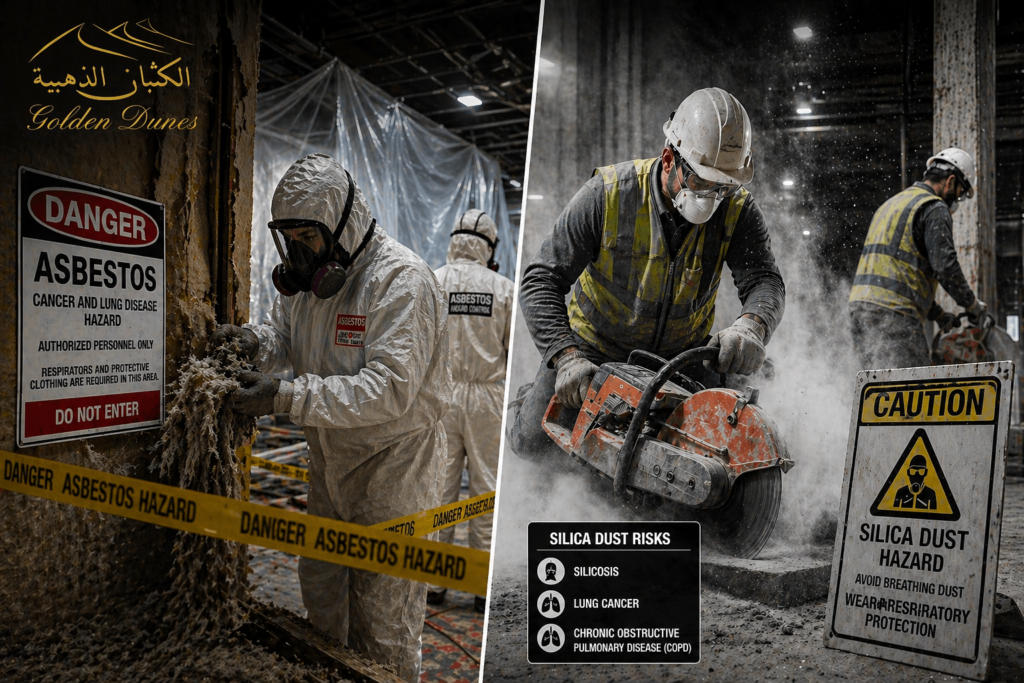
Beyond common hazards, construction site safety must also address specialized risks that are often less visible but equally dangerous. These include exposure to hazardous materials, airborne particles, and environmental conditions that can lead to long-term health complications for construction workers.
Roof Work and Structural Safety
Working on a roof introduces unique safety challenges that go beyond standard construction activities. Risks such as unstable surfaces, improper fall protection, and lack of secure access points can significantly increase the risk of accidents. Ensuring proper safety measures and the use of fall protection equipment is essential to protect construction workers in elevated structural zones.
Asbestos Awareness and Survey Procedures
Asbestos remains one of the most serious safety hazards in older construction projects and renovation work. Exposure to hazardous asbestos fibers can lead to severe health issues if not properly managed. Conducting asbestos surveys and implementing strict safety regulations are critical steps in identifying and controlling these risks.
In many construction-related environments, failure to detect asbestos early can expose workers to long-term health dangers. This is why proper safety awareness and adherence to safety documents and safety standards are essential for maintaining a safe worksite.
Silica Dust Hazards and Prevention
Silica dust is another major concern in construction safety, especially during cutting, drilling, and excavation activities. Prolonged exposure to silica dust can cause serious respiratory issues, making it a significant occupational health risk.
Modern approaches to construction site safety focus on reducing exposure through advanced techniques and controlled processes. For example, understanding vacuum excavation vs traditional excavation highlights how innovative methods can reduce exposure to hazardous dust and improve overall safety conditions.
To reduce exposure effectively, companies must implement safety practices such as proper ventilation, use of appropriate PPE, and continuous monitoring of air quality. These measures not only protect construction workers but also enhance long-term safety and efficiency across the entire construction project lifecycle.
Equipment and Machinery Safety Practices
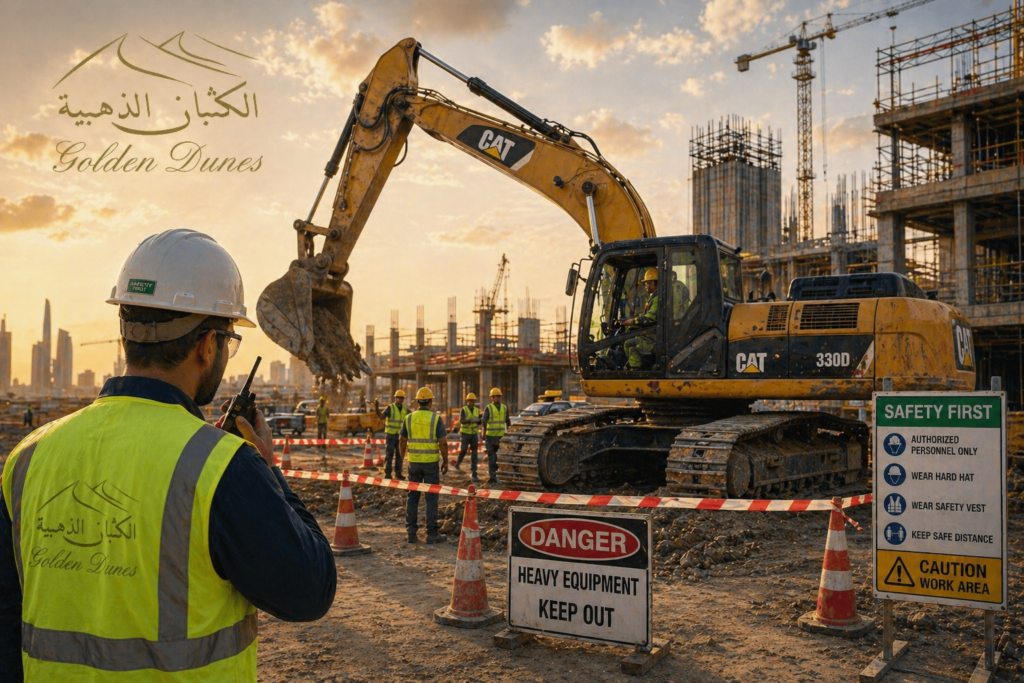
The safe operation of construction equipment and machinery is a cornerstone of construction site safety. On any job site, heavy machinery is essential for productivity, but it also represents one of the highest sources of safety risks when not properly managed.
Safe Use of Tools and Equipment
Using tools and equipment safely requires strict adherence to safety practices and clear operational procedures. Construction workers must be trained to handle equipment correctly, understand its limitations, and recognize potential safety hazards before they escalate into serious incidents.
Improper use of construction equipment, lack of maintenance, or operating machinery in hazardous environments can significantly increase the risk of accidents. Ensuring that all tools are used according to safety standards is essential to protect construction workers and maintain a safe worksite.
Machinery Safety Guidelines on Construction Sites
Heavy machinery such as excavators, loaders, and lifting equipment must be operated under strict safety regulations. These machines often function in high-risk zones where limited visibility, confined work areas, and ongoing construction activities create complex safety challenges.
Applying proper safety measures—such as designated operation zones, safety signs, and restricted access areas—helps reduce exposure to hazardous situations. In advanced construction environments, leveraging technologies like pipeline inspection systems can help detect underground risks and prevent machinery-related accidents before they occur.
Regular Inspection and Maintenance Practices
Routine inspection and preventive maintenance are critical components of machinery safety. Equipment failures are a leading cause of construction accidents, often resulting from overlooked defects or inadequate servicing schedules.
Conducting regular safety audits, maintaining accurate safety documents, and ensuring all machinery meets operational standards can significantly reduce the risk of injury. These practices not only improve construction site safety but also enhance overall project safety and operational efficiency.
Ultimately, a well-structured approach to equipment safety ensures that construction activities are carried out smoothly, minimizing downtime while maintaining the highest levels of safety and compliance.
Site Organization and Safety Compliance
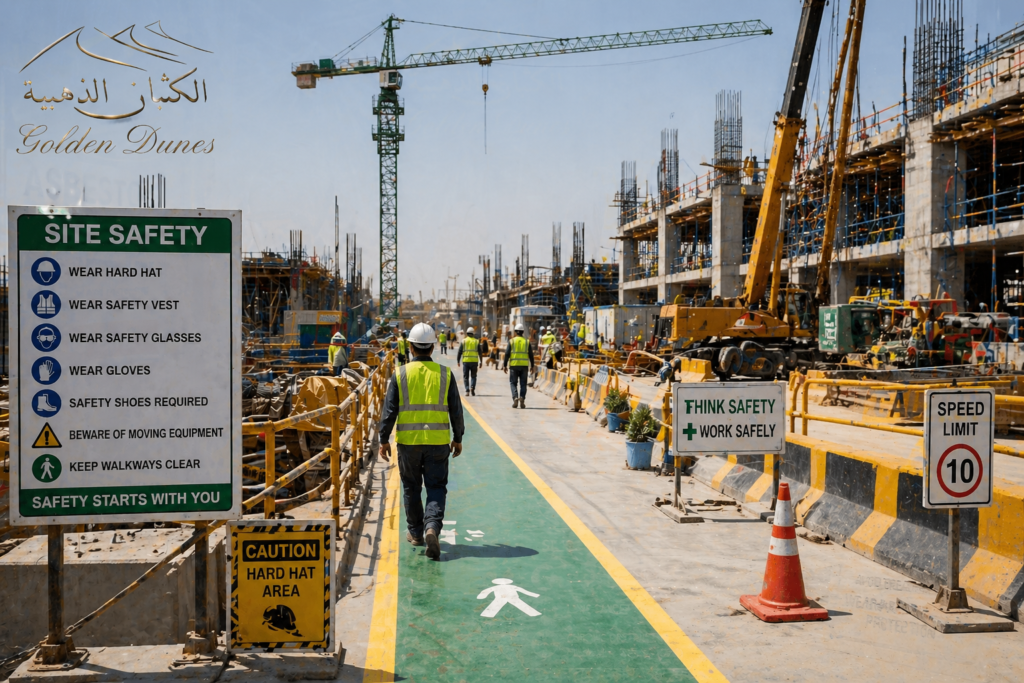
Maintaining a well-organized job site is a critical factor in achieving high levels of construction site safety. Disorganized work environments often lead to increased safety risks, reduced efficiency, and a higher likelihood of construction accidents. Proper site organization ensures that all construction activities are carried out in a controlled and structured manner.
Construction Site Safety Regulations
Adhering to safety regulations is essential for maintaining compliance and protecting construction workers from potential hazards. These regulations define the minimum safety standards required for construction work, including the use of appropriate PPE, implementation of safety measures, and proper documentation of safety procedures.
Organizations that prioritize compliance not only reduce the risk of injury but also strengthen their reputation within the construction industry. Following established guidelines, such as those provided by the Occupational Safety and Health Administration (OSHA), ensures that construction site workers operate within a safe and legally compliant framework.
Safety Signs and On-Site Communication
Clear communication is a key element of construction safety. Safety signs play a vital role in alerting workers to potential safety hazards, guiding behavior, and reinforcing safety awareness across the worksite. Proper placement of safety signs helps reduce confusion and ensures that workers can quickly identify high-risk areas.
Effective communication also involves regular safety briefings and updates that keep construction workers informed about ongoing risks and changes in site conditions. This proactive approach helps raise health and safety awareness and supports a strong safety culture across all construction-related operations.
Housekeeping and Worksite Organization
Good housekeeping practices are essential for maintaining a clutter-free work area. Poor organization often leads to slips and trips, which are among the most common safety issues on many construction sites. Keeping pathways clear, properly storing tools and equipment, and removing unnecessary materials can significantly reduce the risk of accidents.
A well-maintained worksite not only improves safety and efficiency but also reflects a professional approach to construction management. By integrating housekeeping into daily safety practices, companies can create a safer environment and enhance overall construction site safety performance.
Best Practices for Safer Construction Work

Achieving a high level of construction site safety requires more than compliance—it demands a proactive approach built on consistent safety practices and continuous improvement. Implementing best practices across all construction activities helps reduce the risk of accidents and ensures a safer environment for construction workers.
Implementing Effective Safety Practices
Strong safety practices begin with clear construction site rules, proper planning, and strict adherence to safety standards. Every construction project should include defined procedures for managing safety risks, conducting regular safety audits, and maintaining updated safety documents.
Organizations must also focus on creating a health and safety culture that encourages accountability and active participation from all construction site workers. This approach helps raise health and safety awareness and ensures that safety is treated as a shared responsibility across the entire worksite.
Real-World Scenario: Preventing a Major Safety Incident
Consider a construction project where excavation work begins without a detailed risk assessment. During early construction activities, heavy machinery operates near an unidentified underground utility line. Within moments, the machinery strikes the line, resulting in service disruption, equipment damage, and a high risk of injury to nearby workers.
Situations like this are not uncommon in many construction sites. However, they can be prevented through proper safety measures, early hazard identification, and advanced planning strategies. For example, reviewing known underground utility damage risks allows project teams to anticipate hidden hazards and implement effective control measures before work begins.
Continuous Improvement and Safety Culture
Improving construction site safety is an ongoing process that requires continuous evaluation and adaptation. Regular safety training sessions, combined with performance reviews and incident analysis, help organizations identify gaps and improve their safety measures over time.
By promoting a strong safety culture, enforcing proper safety rules, and integrating safety into every stage of construction work, companies can significantly reduce safety risks, prevent injuries, and enhance overall project safety outcomes.