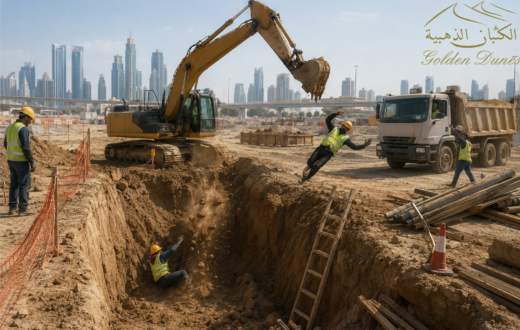
Excavation Risk Management for Safer Infrastructure Projects
Excavation Risk Management in Infrastructure Projects

Modern infrastructure projects depend heavily on accurate planning, operational precision, and proactive safety coordination. As urban expansion accelerates across Saudi Arabia and the GCC, the importance of excavation risk management for infrastructure projects continues to grow, particularly in environments filled with buried utility networks, transportation systems, and high-value public assets.
Large-scale construction project environments often involve complex excavation work near pipelines, telecom systems, electrical corridors, and water distribution networks. Without a structured risk management framework, even minor excavation errors can trigger costly service interruptions, structural instability, regulatory complications, and serious operational delay scenarios.
Today, contractors and infrastructure operators are shifting toward more advanced risk mitigation strategies that combine technology, geospatial analysis, and utility verification systems. These methods help reduce construction risks while improving operational continuity across high-density urban developments and industrial zones.
One of the most critical challenges in modern excavation operations is the protection of underground utilities. Damage to buried assets such as pipeline systems, telecom infrastructure, or water mains can create severe financial and environmental consequences. This is why many organizations now integrate advanced utility mapping and non-destructive excavation technologies into their planning process.
Companies operating in the Saudi infrastructure sector increasingly rely on specialized solutions such as non-destructive suction excavation service to minimize utility strikes and reduce operational disruption in congested excavation zones.
In addition, successful risk management in construction projects requires close coordination between engineering teams, utility authorities, geotechnical specialists, and field operators. Effective communication and early-stage risk assessment allow project stakeholders to identify hidden hazards before excavation activities begin.
As Saudi Arabia continues developing smart cities and mega infrastructure initiatives aligned with Saudi Vision 2030, the demand for safer and more intelligent excavation practices is becoming a critical part of sustainable infrastructure delivery.
Why Excavation Risk Management Matters in Modern Construction
Modern construction site environments are significantly more complex than traditional excavation zones. Dense underground utility corridors, transportation networks, and evolving urban infrastructure increase the likelihood of hidden hazard conditions beneath the surface.
Without effective risk identification, excavation activities may expose workers and nearby infrastructure to severe safety threats, including trench instability, utility strikes, equipment collisions, and unexpected ground movement. These incidents often contribute to major project delays, financial losses, and operational shutdowns.
For this reason, effective risk management is no longer viewed as a secondary construction process. Instead, it has become an essential strategic component of infrastructure development, particularly in high-risk excavation environments where public services and industrial operations must remain uninterrupted.
Advanced organizations now integrate utility detection technologies, predictive planning systems, and controlled excavation procedures into their overall project management strategy to maintain safer operations and improve long-term infrastructure reliability.
Underground Utilities and Infrastructure Protection
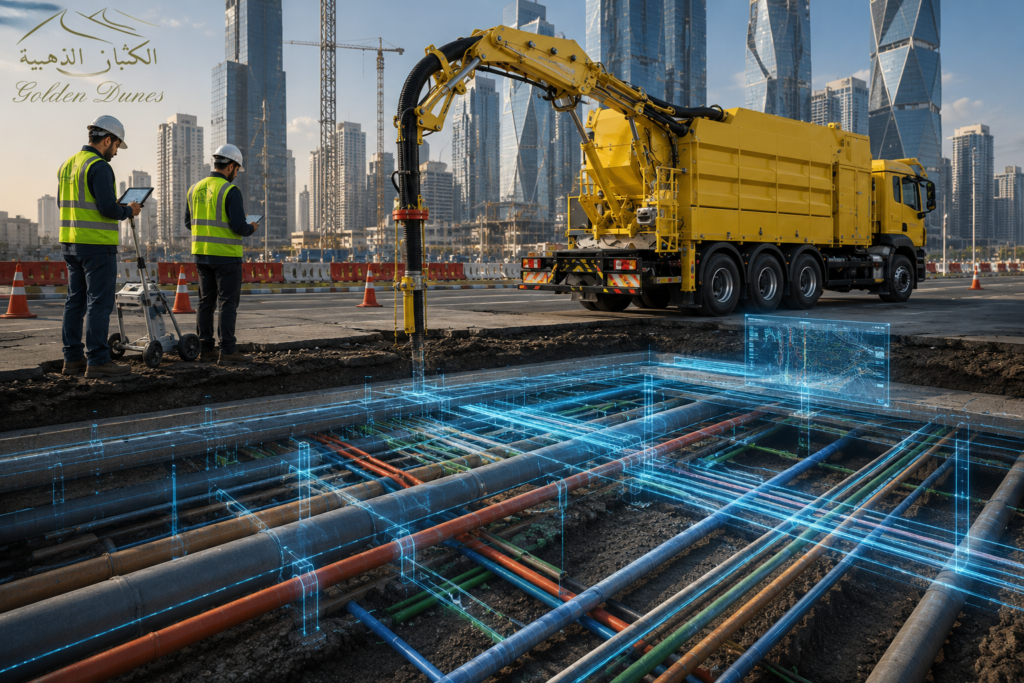
Protecting underground utilities has become one of the most important priorities in modern excavation risk management for infrastructure projects. Rapid urban development, aging infrastructure systems, and increasing utility density beneath cities have created highly sensitive excavation environments where even minor operational mistakes can trigger severe disruptions.
In large infrastructure developments, buried assets such as electrical networks, telecom lines, gas systems, drainage channels, and industrial pipeline corridors often overlap within a limited underground space. This complexity increases the probability of accidental utility strikes during excavation work, especially when outdated mapping systems or inaccurate utility records are involved.
Underground Utility Identification and Verification
One of the most effective ways to reduce excavation hazards is through early-stage utility identification and verification. Before excavation activities begin, project teams must confirm the exact location, depth, and condition of buried infrastructure assets to reduce operational uncertainty.
Modern infrastructure contractors increasingly rely on advanced subsurface investigation technologies and utility detection systems to improve excavation accuracy. These technologies help reduce project risk while supporting safer excavation operations in high-density urban environments.
Organizations working on high-value infrastructure developments also integrate advanced pipeline inspection technologies into their operational planning process to identify hidden underground vulnerabilities before excavation begins.
High Utility Density in Urban Construction Zones
Urban construction project environments present unique operational challenges due to the concentration of underground utility systems beneath roads, industrial corridors, and commercial districts. In many cases, excavation teams operate within narrow work areas surrounded by active infrastructure networks that cannot be interrupted.
This environment significantly increases the likelihood of accidental utility damage, particularly when excavation crews rely solely on traditional digging methods or incomplete infrastructure documentation. Utility congestion also limits equipment mobility and increases operational pressure on field teams working near sensitive assets.
As a result, many infrastructure operators now prioritize safe excavation techniques and non-destructive excavation technologies to maintain operational continuity while reducing the potential for utility-related incidents.
Misidentified Utility Depths and Outdated As-Built Drawings
One of the most common causes of utility-related excavation incidents is inaccurate or outdated as-built infrastructure documentation. In older infrastructure zones, utility layouts may no longer reflect the actual underground conditions due to years of modifications, repairs, and undocumented utility expansions.
When excavation teams depend on incomplete utility records, the risk of striking buried systems increases significantly. Incorrect utility depths can expose workers to severe safety hazards, operational shutdowns, and unexpected repair costs that affect the entire construction schedule.
To reduce these risks, infrastructure contractors increasingly combine utility verification systems, geospatial analysis, and field scanning technologies as part of their broader risk management process. These proactive measures improve excavation precision while reducing uncertainty across complex infrastructure projects.
Updating Utility Maps and Infrastructure Records
Continuous infrastructure expansion across Saudi Arabia has increased the need for real-time utility documentation and accurate underground mapping systems. Updating utility records after every major excavation activity helps reduce future excavation conflicts and improves long-term infrastructure planning.
Many organizations now integrate digital utility mapping into their overall construction management systems to improve operational coordination between contractors, utility owners, and engineering consultants.
According to guidance published by the Common Ground Alliance, accurate utility documentation and proactive utility verification remain essential for reducing excavation-related infrastructure damage in complex urban environments.
Final Clearance With Utility Owners and Authorities
Before excavation operations begin, contractors must complete final coordination procedures with utility authorities and infrastructure stakeholders. These approvals help confirm excavation boundaries, identify restricted work zones, and ensure that all utility protection requirements are properly addressed.
This stage plays a critical role in reducing operational uncertainty and strengthening risk mitigation efforts across infrastructure projects. Proper coordination also improves communication between project stakeholders and supports safer excavation execution within highly regulated infrastructure environments.
Smart Excavation Methods for Risk Mitigation

Traditional excavation techniques are no longer sufficient for many modern infrastructure projects, especially in environments where underground utilities, transportation systems, and industrial assets operate within highly congested corridors. As infrastructure complexity increases, contractors are adopting smarter excavation approaches focused on precision, operational continuity, and long-term risk reduction.
Modern excavation risk management for infrastructure projects now depends heavily on technology-driven excavation systems capable of minimizing disruption while improving safety performance. These methods help reduce accidental utility strikes, lower operational downtime, and improve excavation accuracy across complex urban and industrial developments.
Selecting the Right Excavation Method for High-Risk Projects
Choosing the appropriate excavation method is one of the most important decisions during early-stage project planning. Different soil conditions, utility densities, and infrastructure constraints require specialized excavation approaches that align with the project’s operational and safety requirements.
In high-risk environments, relying exclusively on aggressive mechanical digging techniques may increase the likelihood of damaging buried infrastructure assets or creating unstable excavation conditions. This is why many project teams now evaluate excavation methods based on operational precision, utility sensitivity, and overall risk management strategies.
Infrastructure operators working in sensitive utility corridors increasingly prioritize controlled excavation solutions that support minimal risk operations while maintaining productivity and project efficiency.
Non-Destructive Excavation That Prevents Utility Damage
Non-destructive excavation technologies have become a major advancement in the modern construction industry. These methods use controlled excavation techniques to safely expose buried utilities without damaging surrounding infrastructure systems.
Among the most effective solutions used today is vacuum and suction excavation technology, which allows contractors to remove soil with exceptional precision while minimizing physical contact with underground assets. This approach significantly reduces the probability of utility strikes, trench instability, and excavation-related operational interruptions.
Organizations implementing safe suction excavation methods often achieve higher operational accuracy while improving overall excavation safety in congested utility environments.
Non-destructive excavation is particularly valuable near gas lines, telecom infrastructure, electrical corridors, and high-value pipeline systems where accidental damage can create serious operational and environmental consequences.
Safer Excavation Processes in Congested Utility Corridors
Highly urbanized infrastructure zones often contain overlapping utility systems located within narrow underground pathways. These conditions create operational challenges for construction teams, especially when excavation activities take place near active infrastructure networks.
Modern excavation processes now emphasize controlled digging procedures, utility scanning, and phased excavation planning to improve operational precision in congested utility corridors. These practices help reduce construction risks while improving coordination between contractors, utility operators, and engineering consultants.
Project teams also use advanced safety protocols to manage equipment movement, excavation depth, and work area access within sensitive infrastructure environments. These measures support safer operations while reducing the likelihood of infrastructure disruption beneath active urban zones.
Enhanced Integration With Modern Utility Detection Technologies
Technology integration is becoming a core element of modern risk management in construction projects. Utility detection systems now provide excavation teams with real-time underground visibility, allowing operators to identify hidden infrastructure conditions before excavation activities begin.
These technologies improve risk assessment capabilities by helping engineers locate buried utilities, evaluate soil conditions, and identify potential hazards beneath the excavation area. As a result, contractors can make faster operational decisions while improving excavation precision across high-risk infrastructure developments.
Advanced utility detection systems are often combined with predictive monitoring platforms and digital mapping tools to strengthen the overall management system used throughout excavation operations.
As highlighted in modern construction technology trends in Saudi Arabia, smart infrastructure projects increasingly depend on integrated excavation technologies to support safer and more sustainable project delivery across the region.
Excavation Safety and Hazard Prevention
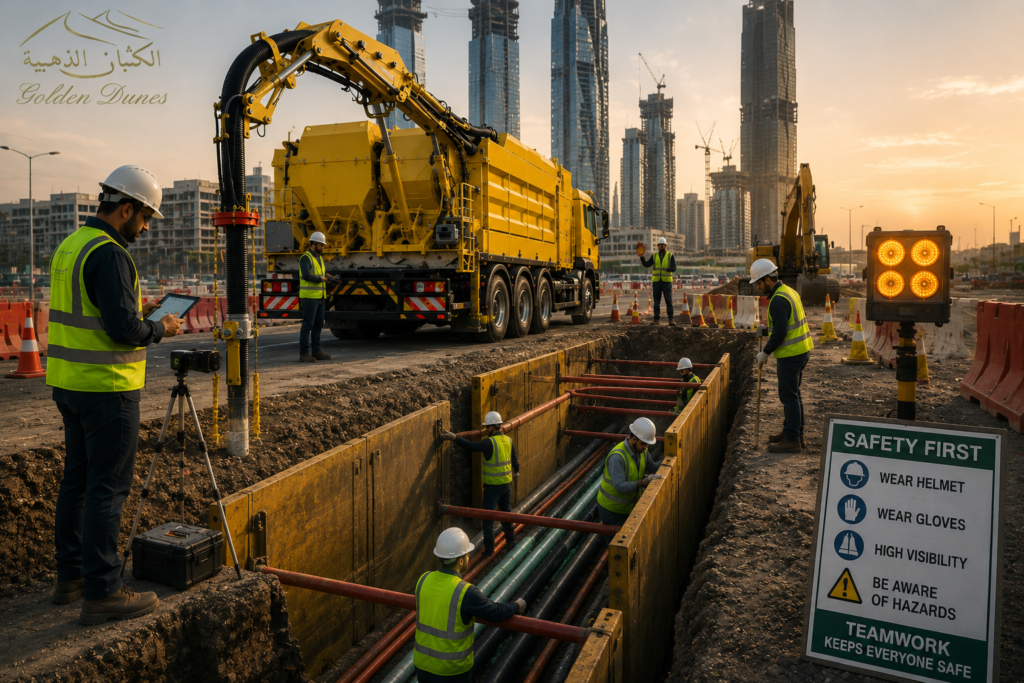
Maintaining high levels of excavation safety is essential for protecting workers, infrastructure assets, and operational continuity across modern construction project environments. As excavation activities become more complex beneath dense urban zones and industrial facilities, the potential for operational disruption and severe accidents increases significantly.
Modern excavation risk management for infrastructure projects focuses not only on preventing accidents but also on minimizing operational instability, protecting underground infrastructure, and improving long-term project reliability. This requires a combination of proactive planning, continuous monitoring, and strict operational coordination across all excavation phases.
Heavy Machinery Hazards on Construction Sites
The use of heavy machinery in excavation environments introduces several operational risks, particularly within confined urban corridors and utility-dense infrastructure zones. Excavators, drilling equipment, loaders, and mechanical excavation systems often operate near buried infrastructure assets where visibility and maneuverability may be limited.
Without proper coordination and safety measures, machinery movement can increase the likelihood of utility strikes, structural instability, and worker-related incidents. Equipment vibration may also affect trench integrity and create additional collapse risk conditions in unstable soil environments.
To improve operational control, many organizations implement advanced monitoring procedures and controlled excavation practices that support safer machinery movement across sensitive infrastructure sites.
Hazard Mapping and High-Risk Zone Categorisation
Accurate hazard mapping has become an important component of modern risk management framework systems used in infrastructure excavation projects. By identifying high-risk underground zones before excavation begins, project teams can reduce uncertainty and improve operational decision-making throughout the excavation lifecycle.
Hazard categorisation typically includes utility congestion zones, unstable soil conditions, restricted access corridors, and areas containing aging infrastructure assets. These evaluations support more effective risk response strategies while helping contractors prioritize safety resources across the excavation site.
Many infrastructure operators now combine geospatial analysis, utility scanning technologies, and predictive excavation data to strengthen hazard identification procedures and improve overall construction safety.
Soil Collapse and Trench Failure Risks
One of the most serious risks associated with excavation operations is trench collapse. Unstable soil conditions, excessive excavation depth, groundwater pressure, and poor structural support systems can quickly create dangerous excavation environments that threaten both worker safety and infrastructure stability.
In large-scale excavation construction projects, trench failures may also damage nearby utility systems, disrupt transportation routes, and create severe operational delays. These incidents often result in significant financial consequences and long-term project disruption.
To reduce these risks, contractors increasingly rely on controlled excavation procedures, geotechnical analysis, and engineered trench support systems as part of a broader risk management plan.
Daily Soil and Trench Stability Inspections
Routine trench inspections play a critical role in maintaining safer excavation environments. Daily evaluations help identify changing soil conditions, structural instability, groundwater intrusion, and other potential hazards that may affect excavation performance.
Geotechnical specialists and field supervisors often conduct stability assessments before excavation activities begin each day, particularly in deep trench environments or projects located near active infrastructure systems.
Regular inspection procedures also support compliance with international safety regulations and strengthen overall operational accountability across high-risk excavation projects.
Verification That No Underground Utilities Were Damaged
After excavation activities are completed, contractors must verify that nearby utility systems remain fully operational and structurally protected. This verification process helps identify hidden utility damage before infrastructure systems are returned to normal service conditions.
Utility verification procedures may include pressure testing, visual inspections, digital monitoring, and coordination with infrastructure operators. These steps strengthen safe work practices while supporting long-term infrastructure reliability across complex construction environments.
Organizations seeking to improve excavation safety performance often integrate advanced excavation safety strategie into their broader infrastructure risk management operations to reduce future excavation-related incidents.
Geotechnical Analysis and Construction Risk Reduction
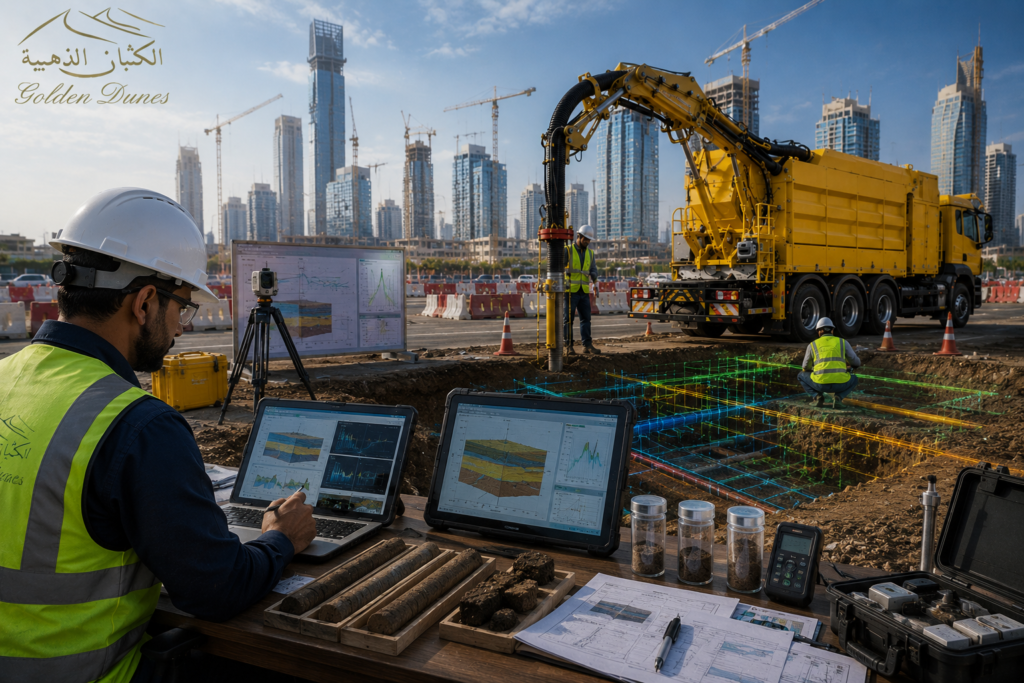
Geotechnical evaluation plays a critical role in modern excavation risk management for infrastructure projects. Before excavation begins, project teams must und
erstand the physical characteristics of the soil, groundwater conditions, and underground structural behavior that may affect excavation stability and long-term infrastructure performance.
In large-scale infrastructure environments, inaccurate soil analysis can increase the likelihood of trench instability, structural settlement, utility exposure, and severe operational complications. This is why geotechnical investigations have become a fundamental component of proactive risk mitigation strategies across complex excavation operations.
Soil Testing and Geotechnical Evaluation
Comprehensive geotechnical investigations help engineering teams evaluate soil composition, bearing capacity, groundwater pressure, and subsurface conditions before excavation activities begin. These studies provide valuable technical data that supports safer excavation planning and more accurate operational decision-making.
Modern infrastructure contractors often combine laboratory soil analysis with field testing technologies to improve excavation reliability across sensitive construction environments. Accurate soil evaluation also helps reduce unexpected excavation hazards that may emerge during deep excavation operations or utility-related work.
Proper soil testing supports more effective project planning while reducing uncertainty in environments where underground utilities, tunnels, and transportation systems operate beneath active urban developments.
Reducing Collapse Risk Through Controlled Excavation
Controlled excavation procedures are essential for minimizing collapse risk in unstable or high-pressure ground conditions. Sudden soil movement, trench wall failure, and underground water infiltration can create severe safety concerns if excavation activities are not properly monitored and engineered.
To improve operational stability, many contractors now use staged excavation techniques, engineered trench support systems, and real-time monitoring technologies as part of a broader risk management process. These measures help maintain excavation integrity while protecting nearby infrastructure assets from ground movement and structural stress.
Controlled excavation also improves worker safety by reducing unpredictable excavation behavior and supporting safer work environments in confined infrastructure corridors.
Understanding Geotechnical Risks in Excavation Work
Every excavation environment presents unique geotechnical challenges depending on soil composition, excavation depth, nearby structures, and environmental conditions. In some cases, underground instability may remain hidden until excavation operations are already underway.
This is particularly important in infrastructure projects involving tunnels, utility corridors, or excavation activities beneath existing transportation systems. Without proactive analysis and continuous monitoring, hidden soil instability can increase the probability of structural deformation, utility damage, and long-term infrastructure failure.
As part of modern risk management in construction projects, geotechnical specialists now work closely with engineering and field operations teams to evaluate soil behavior throughout every excavation stage.
Excavation Safety Strategies for Complex Ground Conditions
Complex excavation environments require more advanced operational strategies than standard excavation sites. Projects located near underground transit systems, utility corridors, or industrial infrastructure often involve multiple interacting risk factors that must be managed simultaneously.
To strengthen excavation safety, contractors increasingly implement proactive monitoring systems, phased excavation approaches, and engineered excavation sequencing plans that improve excavation control beneath challenging ground conditions.
Many organizations also integrate non-destructive testing technologies into infrastructure inspection programs to identify hidden structural weaknesses before excavation activities impact surrounding assets.
According to guidance published by the Occupational Safety and Health Administration (OSHA), continuous monitoring and engineered excavation controls remain essential for reducing trench instability and protecting workers in high-risk excavation environments.
Project Management and Excavation Planning

Successful excavation risk management for infrastructure projects depends heavily on structured planning, operational coordination, and continuous communication between all project stakeholders. As infrastructure developments become larger and more technically demanding, excavation activities must be integrated into a broader project management strategy that prioritizes safety, efficiency, and infrastructure continuity.
Modern infrastructure contractors no longer treat excavation as an isolated operational phase. Instead, excavation planning is now closely connected to utility coordination, geotechnical analysis, safety engineering, and overall construction management objectives.
Planning Excavation Work for Infrastructure Projects
Effective planning remains one of the strongest forms of risk reduction in excavation operations. Before excavation activities begin, project teams must evaluate utility layouts, traffic conditions, excavation depth, soil behavior, environmental constraints, and operational access requirements.
In complex infrastructure environments, incomplete planning may increase the probability of utility conflicts, equipment congestion, trench instability, and major project delays. This is why many organizations now implement structured excavation coordination procedures during early-stage project development.
Well-organized excavation planning also improves operational sequencing and strengthens collaboration between engineering consultants, utility authorities, and field operators working across large-scale construction zones.
Risk Management in Construction Projects
Modern risk management in construction projects requires a proactive operational mindset focused on identifying hidden vulnerabilities before they evolve into major incidents. Infrastructure contractors now rely on integrated planning systems that combine technical analysis, safety monitoring, and operational forecasting throughout the excavation lifecycle.
This approach helps project teams improve decision-making while reducing uncertainty across excavation activities involving sensitive infrastructure systems. In many cases, proactive planning significantly reduces the likelihood of utility strikes, excavation accidents, and unexpected operational shutdowns.
Organizations implementing advanced excavation planning strategie often achieve greater operational control while improving infrastructure protection throughout high-risk construction phases.
Developing a Detailed Excavation Safety Plan
A structured safety plan is essential for maintaining operational consistency and protecting workers within excavation environments. Modern excavation safety planning extends beyond regulatory compliance and focuses on identifying operational threats before field activities begin.
Comprehensive safety planning typically includes utility verification procedures, emergency response coordination, trench stability controls, machinery movement protocols, and access management within the excavation area.
Project teams also establish clear communication procedures and operational responsibilities to strengthen accountability throughout excavation operations. These practices support safer execution while improving overall health and safety performance across infrastructure projects.
Project Management Strategies for Excavation Operations
Advanced project management strategies are increasingly important in infrastructure excavation environments where multiple contractors, utility operators, and engineering teams must coordinate simultaneously. Effective coordination helps reduce operational conflicts and supports more efficient excavation execution.
Digital project monitoring systems, real-time reporting platforms, and predictive scheduling tools now play an important role in improving excavation visibility across large-scale projects. These systems strengthen operational control while helping contractors respond quickly to changing site conditions.
Modern excavation operations also depend on continuous communication between field teams and project leadership to improve responsiveness and maintain safer work environments beneath active infrastructure corridors.
Common Challenges in Construction Risk Management
Despite technological improvements, many infrastructure projects still face operational challenges related to underground uncertainty, outdated infrastructure records, unstable soil conditions, and evolving construction requirements. These factors may increase operational complexity and create unexpected excavation complications during project execution.
In some cases, poor coordination between stakeholders may also affect excavation sequencing and increase the risk of utility conflicts or excavation-related delays. This highlights why risk management is essential for maintaining infrastructure reliability and reducing operational disruption throughout the construction lifecycle.
To strengthen long-term project performance, many infrastructure organizations now integrate proactive excavation analysis, utility protection systems, and predictive monitoring technologies into their broader operational planning models.
Technology-Driven Risk Mitigation in Construction

Technology has become a central component of modern excavation risk management for infrastructure projects. As infrastructure systems grow more interconnected and underground environments become increasingly congested, traditional excavation procedures alone are no longer sufficient to maintain operational reliability and long-term infrastructure protection.
Today, infrastructure operators are integrating digital monitoring systems, predictive analysis tools, and advanced excavation technologies into their broader risk management strategies to improve operational visibility and reduce uncertainty across high-risk excavation environments.
Predictive Risk Mitigation for Infrastructure Projects
Predictive risk analysis allows project teams to identify operational threats before excavation activities create major disruptions. By analyzing utility layouts, geotechnical conditions, excavation sequencing, and historical infrastructure data, contractors can improve operational forecasting and strengthen decision-making throughout the excavation lifecycle.
This proactive approach helps reduce construction risks associated with utility conflicts, trench instability, and underground infrastructure exposure. It also improves operational efficiency by minimizing unexpected interruptions that may affect construction schedules or public infrastructure systems.
Many infrastructure organizations now incorporate predictive technologies into their broader risk management plan to support safer excavation operations beneath complex urban environments.
Smart Monitoring Systems for Excavation Safety
Real-time monitoring technologies are transforming how contractors manage excavation activities across modern infrastructure projects. These systems provide continuous visibility into excavation conditions, machinery movement, trench behavior, and nearby infrastructure performance.
Smart monitoring solutions help project teams respond faster to operational changes while strengthening excavation safety procedures throughout the construction process. Continuous data analysis also improves operational coordination between engineering consultants, field supervisors, and utility operators.
Infrastructure contractors implementing smart site safety systems often improve operational awareness while reducing the probability of excavation-related incidents in sensitive infrastructure corridors.
Technology-Driven Excavation Risk Reduction
Modern excavation technologies now support safer and more controlled excavation environments across industrial zones, transportation networks, and utility-intensive developments. Non-destructive excavation systems, digital utility scanning tools, and predictive monitoring platforms help reduce operational uncertainty beneath the surface.
These technologies improve excavation precision while supporting more effective risk mitigation strategies across infrastructure operations involving buried utilities, tunnels, and utility corridors.
Contractors also use digital excavation models and real-time infrastructure mapping to strengthen operational planning and improve excavation coordination between multiple project stakeholders.
Improving Construction Site Safety Through Modern Systems
Modern infrastructure projects require more advanced operational control than traditional construction environments. Excavation teams now operate alongside sensitive infrastructure systems where even minor operational mistakes may affect transportation networks, utility services, or industrial production facilities.
To improve construction safety, many organizations now integrate intelligent monitoring systems, automated reporting tools, and centralized operational dashboards into their daily excavation procedures. These systems strengthen communication, improve incident response capabilities, and support more effective infrastructure protection strategies.
As Saudi Arabia continues investing in smart infrastructure development and advanced industrial expansion, technology-driven excavation systems are expected to play an even greater role in improving operational reliability across future infrastructure projects.
Best Practices for Safer Excavation Projects
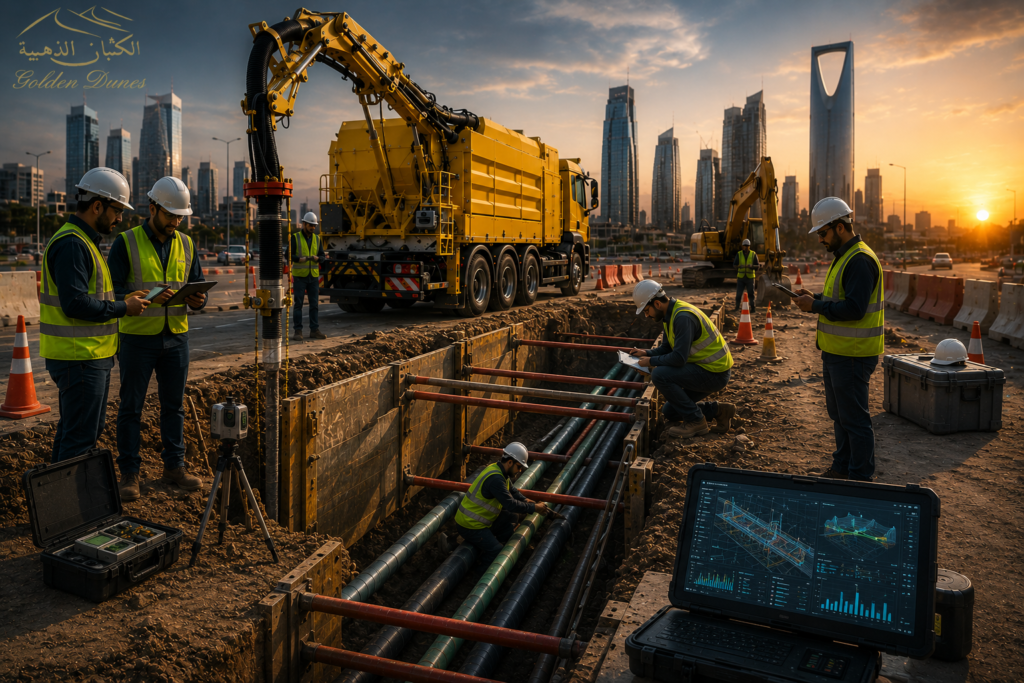
Successful excavation operations require more than technical expertise alone. Long-term infrastructure protection depends on consistent operational discipline, accurate planning, and the implementation of practical best practices that reduce operational uncertainty throughout every excavation phase.
Modern excavation risk management for infrastructure projects focuses on preventing operational disruption while improving infrastructure reliability across highly sensitive excavation environments.
Best Practices for Managing Excavation Risks
One of the most effective ways to improve excavation performance is through early-stage coordination between project stakeholders. Engineering consultants, utility owners, geotechnical specialists, and field supervisors must work together to identify hidden operational risks before excavation begins.
Contractors should also establish clear excavation procedures, utility verification systems, and excavation sequencing plans to strengthen operational consistency throughout the project lifecycle.
Organizations implementing proactive construction site safety strategies often achieve better operational control while reducing excavation-related incidents across infrastructure developments.
Enhancing Excavation Safety With Professional Training
Professional training plays a critical role in strengthening worker safety and improving operational awareness across excavation environments. Excavation crews operating near underground infrastructure systems must understand utility hazards, excavation procedures, emergency response protocols, and excavation equipment limitations.
Continuous training also helps field teams recognize changing excavation conditions and respond more effectively to unexpected operational challenges. This improves overall safe work performance while supporting more reliable excavation execution across high-risk projects.
Safe Work Procedures for High-Risk Excavation Activities
Projects involving deep trenches, utility corridors, and unstable ground conditions require structured safety protocols to reduce operational instability and improve infrastructure protection.
These procedures may include controlled equipment access, trench stability inspections, restricted excavation boundaries, utility protection zones, and emergency response coordination plans.
Many infrastructure contractors also strengthen excavation operations through continuous operational reviews and field-based safety analysis procedures designed to identify emerging risks before they escalate into serious incidents.
Reducing Construction Delays Through Risk Mitigation
Unexpected utility strikes, trench failures, and underground conflicts remain among the leading causes of project delays in large-scale infrastructure developments. These disruptions often affect operational schedules, increase project costs, and place additional pressure on project stakeholders.
To reduce operational disruption, contractors increasingly integrate predictive planning systems, utility coordination procedures, and controlled excavation technologies into their broader infrastructure management strategies.
This proactive operational model supports more efficient excavation execution while helping organizations maintain infrastructure continuity across complex construction environments.
The Future of Excavation Risk Management

The future of infrastructure development will depend heavily on how effectively organizations manage underground excavation risks within increasingly complex urban environments. As cities become more connected and infrastructure systems continue expanding beneath the surface, traditional excavation approaches will no longer provide the operational reliability required for modern infrastructure delivery.
This transformation is already reshaping how contractors approach excavation risk management for infrastructure projects, particularly across Saudi Arabia’s rapidly evolving infrastructure sector. Smart excavation technologies, predictive monitoring systems, and advanced utility protection strategies are becoming essential components of long-term infrastructure planning.
Why Smart Infrastructure Projects Need Advanced Excavation Strategies
Modern smart infrastructure projects operate within highly interconnected underground environments where transportation systems, utility corridors, telecom networks, and industrial pipelines often coexist within limited excavation space.
These conditions require more advanced operational planning and highly controlled excavation procedures capable of reducing infrastructure disruption while improving excavation precision. Contractors can no longer rely solely on traditional excavation techniques when working near sensitive infrastructure assets or high-density utility zones.
Advanced excavation technologies now support safer operations by improving underground visibility, strengthening utility coordination, and reducing the probability of excavation-related infrastructure failures.
Organizations implementing advanced excavation risk management strategies in Saudi Arabia are increasingly improving operational resilience while supporting safer infrastructure expansion across the region.
Excavation Risk Management and Saudi Vision 2030
Saudi Arabia’s infrastructure transformation under Vision 2030 has accelerated the demand for safer and more intelligent excavation operations. Large-scale developments such as smart cities, transportation corridors, industrial hubs, and utility expansion projects require highly reliable excavation systems capable of supporting long-term infrastructure sustainability.
As infrastructure investment continues to grow, project stakeholders are placing greater emphasis on proactive risk management, utility protection, and operational continuity throughout excavation activities.
Advanced excavation planning, utility verification technologies, and predictive monitoring systems now play a critical role in helping infrastructure operators reduce operational uncertainty across large-scale construction environments.
This shift aligns closely with Saudi Arabia’s broader focus on digital transformation, infrastructure modernization, and sustainable urban development initiatives designed to strengthen national infrastructure resilience.
The Future of Safe Excavation in Large Construction Projects
The next generation of excavation operations will likely depend on integrated digital systems capable of combining utility detection, geotechnical analysis, predictive monitoring, and real-time operational coordination within a unified infrastructure management platform.
Artificial intelligence, automated excavation analysis, and intelligent infrastructure mapping technologies are expected to further improve operational visibility while reducing the likelihood of hidden underground conflicts across major infrastructure developments.
As these technologies continue evolving, infrastructure contractors will be better equipped to improve effective risk management, strengthen operational efficiency, and maintain safer excavation environments across increasingly complex projects.
Ultimately, the future of modern excavation operations will not be defined solely by construction speed or equipment size. Instead, long-term success will depend on how effectively organizations protect underground infrastructure, reduce operational disruption, and maintain safer excavation environments beneath rapidly expanding urban landscapes.